
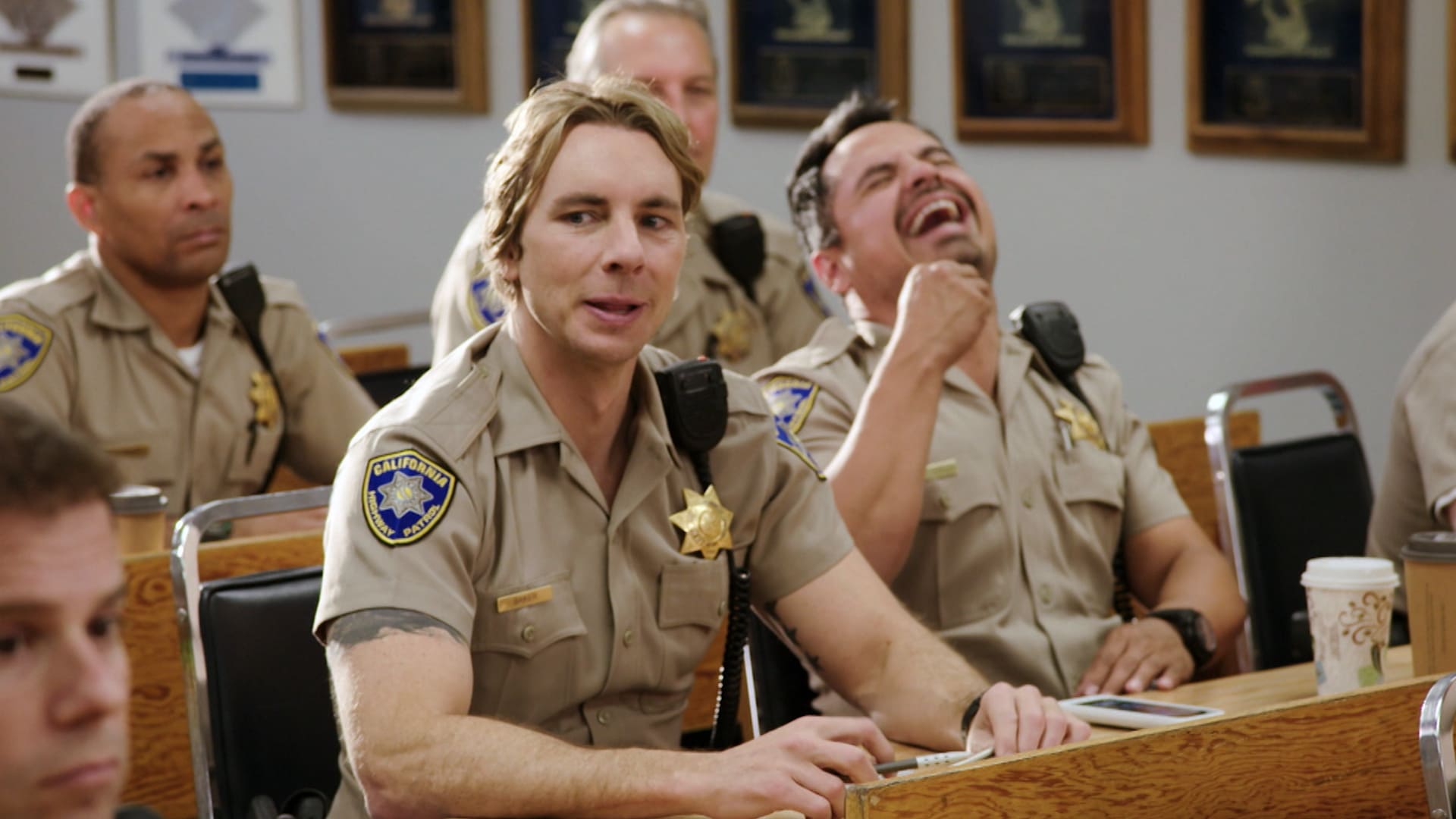
Police work has inspired countless films because it naturally combines danger, mystery, action, and human conflict. Within that broad category, the buddy cop comedy has become one of cinema’s most enduring formulas. These films pair two sharply contrasting characters, place them inside an escalating investigation, and allow their clashing personalities to generate as much entertainment as the central crime itself.
The appeal begins with the partnership. Audiences often feel they are getting two leading performers for the price of one, especially when both stars already have strong individual screen personas. Will Smith and Martin Lawrence helped define this appeal through the Bad Boys franchise, where their chemistry, arguments, and different approaches to police work became as important as the action. Similar pairings have powered films and franchises such as Rush Hour, Beverly Hills Cop, Men in Black, and The Nice Guys.
A strong opening is particularly important in this genre. The first major sequence usually introduces the threat, conspiracy, or criminal operation that will drive the rest of the story. It must create immediate curiosity while establishing the film’s tone. Whether the scene is explosive, mysterious, or absurdly funny, it gives the audience a reason to follow the investigation and understand why these two unlikely partners have been drawn into it.
Buddy cop films also frequently replace the romantic comedy’s traditional “meet-cute” with something far more aggressive. The future partners may first encounter each other during a fight, arrest, chase, or misunderstanding. This “meet-violent” immediately establishes tension and gives the relationship room to evolve. The Nice Guys offers a memorable example, introducing its central pair through physical conflict rather than friendly conversation. Their hostility makes their eventual cooperation more satisfying because the audience sees just how far the relationship has developed.
The most important ingredient is contrast. One character may be emotional and impulsive, while the other is controlled and logical. One may respect the rules, while the other constantly ignores them. These differences produce arguments, mistakes, and jokes, but they also make the pair more effective. Each partner possesses strengths that the other lacks.
As the investigation deepens, the characters gradually recognize that they cannot succeed alone. Distrust turns into respect, and rivalry becomes loyalty. By the end, the crime may be solved, but the real payoff is the partnership itself. The best buddy cop comedies work because they combine action and mystery with a simple human story about two incompatible people learning how to rely on one another.
