
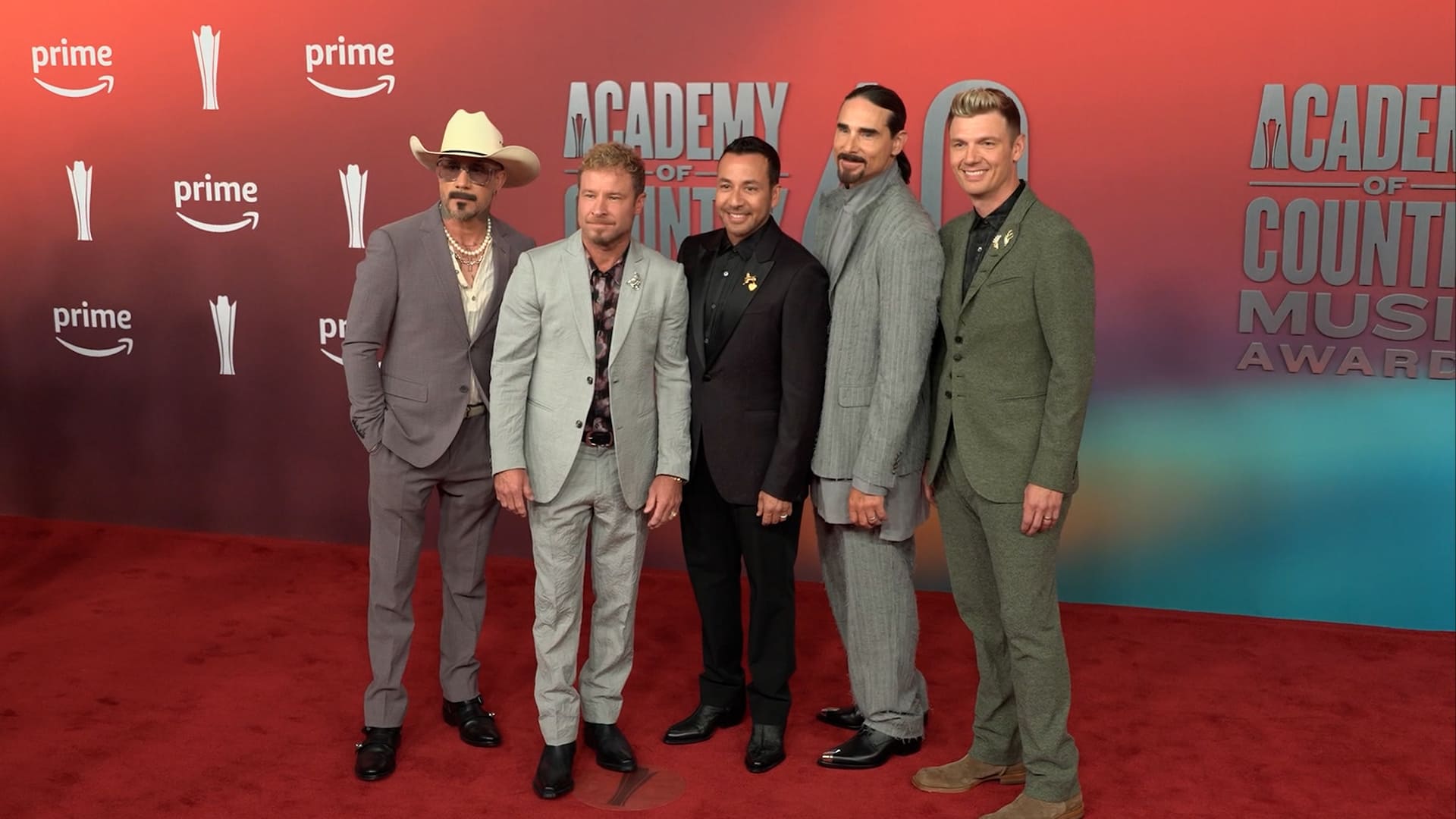
Long before packed arenas and international hits, the Backstreet Boys began as an ambitious idea in Orlando, Florida. Music entrepreneur Lou Pearlman wanted to create a vocal group inspired by the success of acts such as New Kids on the Block. Auditions eventually brought together AJ McLean, Howie Dorough, Nick Carter, Kevin Richardson and Richardson’s cousin Brian Littrell. What started as a carefully assembled group soon developed into something far bigger. More than three decades later, the five singers have achieved a level of longevity that few pop groups from their era have matched.
The group formed in 1993, taking its name from Orlando’s Backstreet Market. Before conquering the United States, however, the Backstreet Boys built a substantial audience overseas. Their early music gained traction across Europe and other international markets, where energetic performances and carefully constructed vocal harmonies helped establish their identity.
American success followed with songs including Quit Playing Games With My Heart, As Long as You Love Me and Everybody Backstreet’s Back. The combination of polished pop production, memorable choreography and distinct vocal personalities helped the group connect with an enormous young audience. Their rise accelerated as music videos and international touring turned the five members into recognizable figures across global pop culture.
Then came Millennium in 1999. Led by I Want It That Way, the album became a defining release of the late 1990s pop boom. Its enormous commercial performance confirmed that the Backstreet Boys had moved beyond the typical boy band phenomenon. Songs from the album became fixtures on radio and television, while large scale tours demonstrated the extraordinary size of their international following.
Success also brought serious challenges. The members became involved in legal disputes with Pearlman over finances and contracts, exposing tensions behind their carefully managed public image. Years of relentless recording and touring added further pressure. The group later stepped away for a period, while Kevin Richardson temporarily departed in 2006 before eventually returning. Despite speculation about whether the original lineup could remain together, all five members ultimately reunited.
Their later career has been defined less by chasing the newest pop trend and more by maintaining the connection they built with audiences decades earlier. New albums, international tours and major live productions have allowed longtime fans to revisit the music while introducing it to younger listeners.
That endurance may be the most remarkable part of the Backstreet Boys story. Many pop groups assembled during the same era disappeared after only a few successful years. The Backstreet Boys survived changing musical tastes, business conflicts, personal changes and lengthy breaks. From Orlando auditions to some of the world’s biggest stages, their history demonstrates that a manufactured beginning does not prevent a group from developing a genuine and lasting musical identity.
