
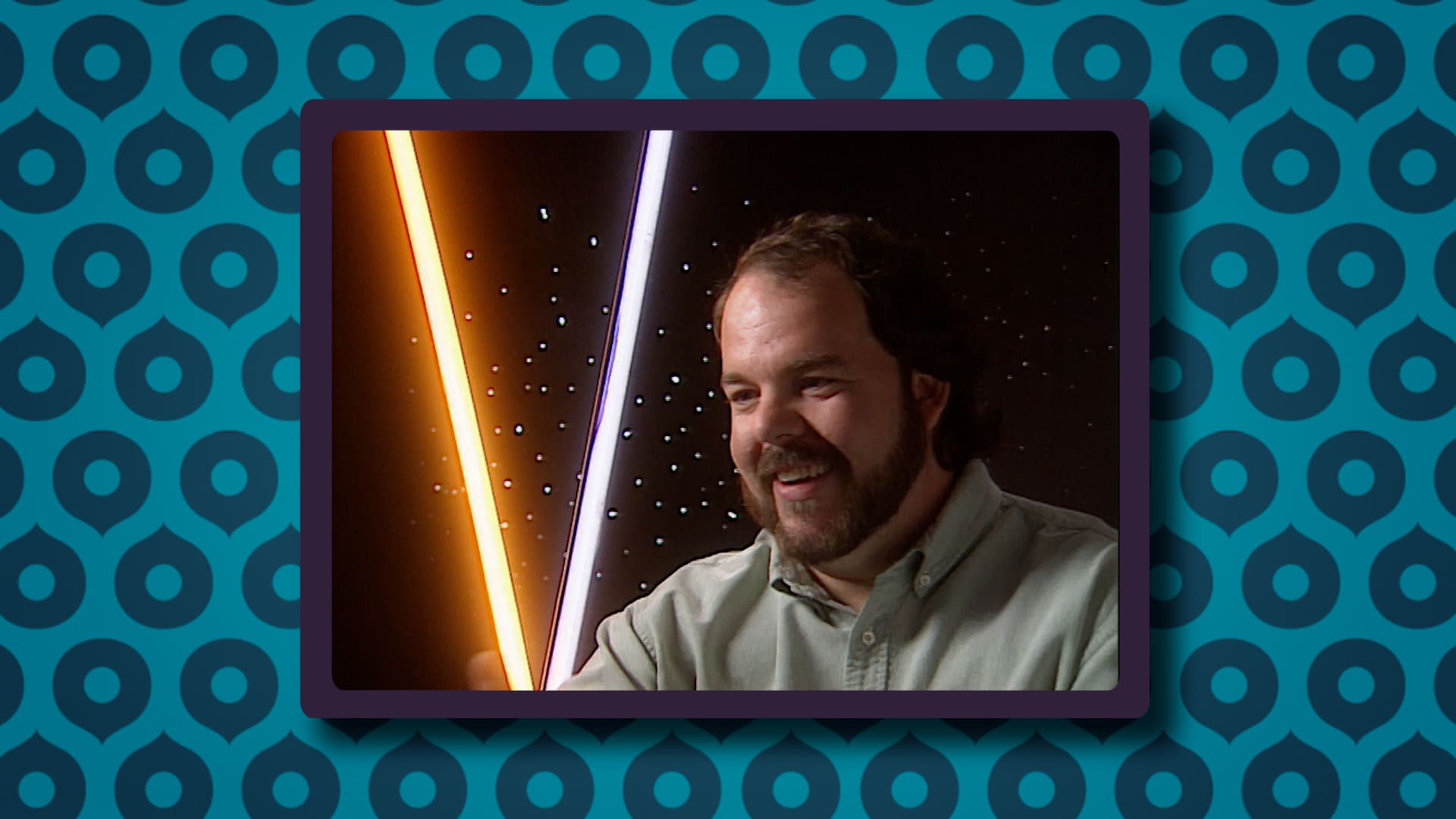
The Star Wars prequel trilogy marked a turning point in the history of visual effects, pushing digital filmmaking into exciting new territory. Released between 1999 and 2005, The Phantom Menace, Attack of the Clones, and Revenge of the Sith relied heavily on computer-generated imagery, creating worlds and characters that had rarely been attempted on such a scale. Helping bring these ambitious visions to life was animation director Rob Coleman, whose team played a crucial role in shaping the groundbreaking visual style of the trilogy.
Coleman joined the production during the pre-production phase of The Phantom Menace in 1997 and led a team of 45 character animators at Industrial Light & Magic. While hundreds of artists, designers, sculptors, and technicians contributed to the films, his department focused specifically on bringing digital characters to life. Working closely with the animators each day, Coleman helped ensure that every creature and computer-generated performance blended naturally with the live-action footage, creating a seamless cinematic experience that still impresses audiences today.
The production presented unique challenges for both filmmakers and actors. Much of the trilogy was filmed on blue-screen stages, leaving performers to act in largely empty environments surrounded by placeholders rather than finished sets or creatures. Voice performers were often present during rehearsals to help actors interact naturally before the scenes were filmed without them. This demanded remarkable imagination and concentration from the cast, while the animation team later filled those empty spaces with fully realized digital characters and environments.
Technological limitations also forced the filmmakers to innovate as production continued. Some visual effects tools, including realistic digital clothing simulation, did not yet exist when work began. Instead of delaying production, the team animated scenes using unfinished character models while software engineers developed the necessary technology. Once those breakthroughs were achieved, clothing and other complex visual elements were integrated into the completed shots. Interactions between live actors and computer-generated characters, especially scenes involving physical contact, required entirely new techniques that were developed specifically for the films.
Although the Star Wars prequels sparked plenty of debate among fans, their influence on modern filmmaking is undeniable. The groundbreaking work led by Rob Coleman and the artists at Industrial Light & Magic helped establish many of the digital production methods now considered standard throughout the film industry. Their willingness to solve technical challenges in real time expanded the possibilities of visual storytelling and paved the way for the sophisticated visual effects audiences enjoy in today’s blockbuster cinema.
