
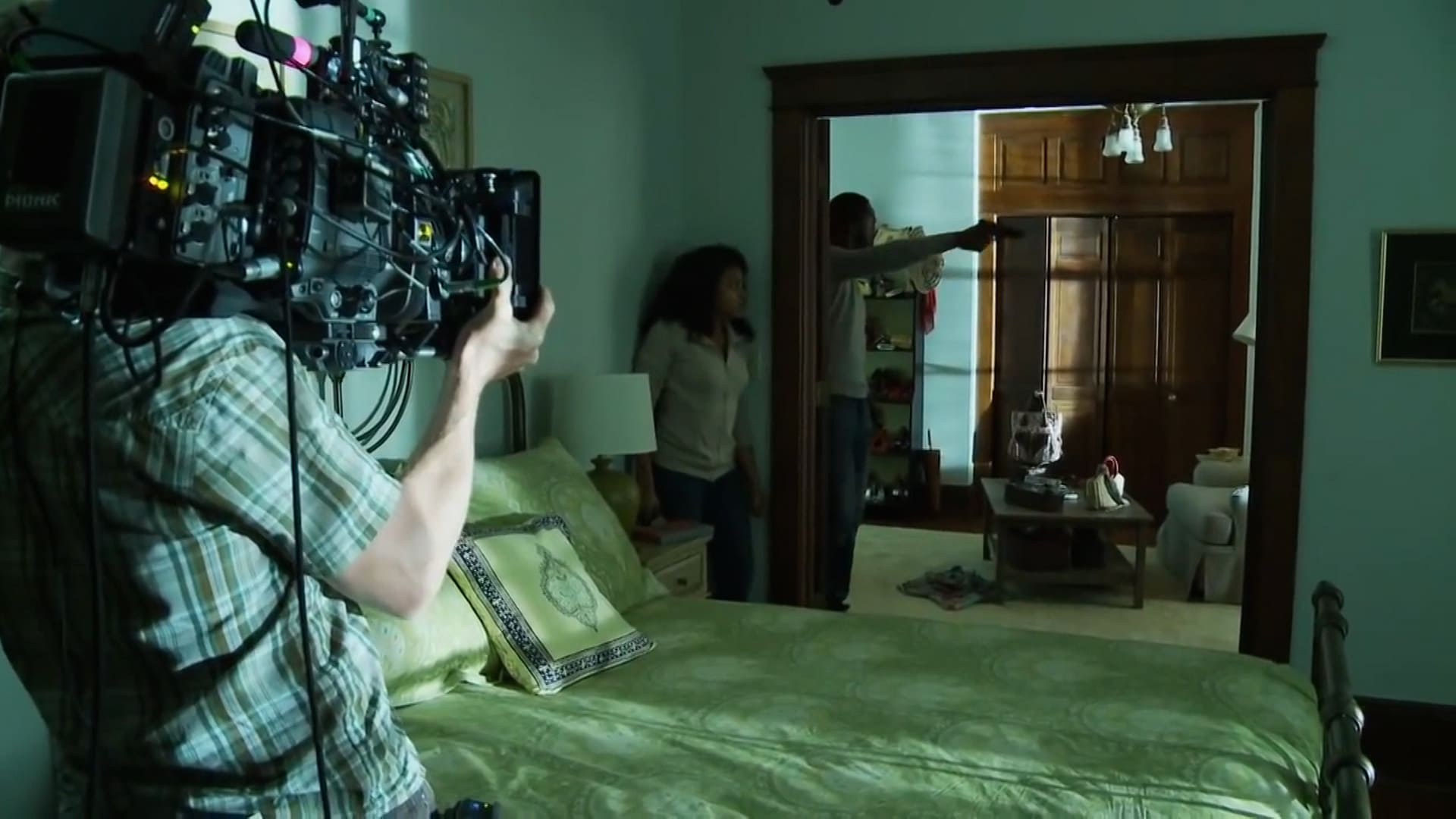
Home invasion films have remained a popular subgenre for over a century, captivating audiences with suspense, fear, and unexpected twists. The fascination with these stories traces back to 1909’s The Lonely Villa, considered the very first home invasion movie. Lasting just eight minutes, it introduced viewers to the tension and excitement of intruders breaching a private space. Today, filmmakers continue to explore the concept, proving that audiences are drawn to the mix of danger, strategy, and human resilience that defines the genre.
One reason these films resonate is imagination. Viewers often wonder how they would react if confronted by an intruder, testing their courage and resourcefulness in a hypothetical scenario. In movies, home invasions are rarely simple thefts; the stakes are heightened, often involving high-value items, secrets, or life-or-death situations. This tension keeps audiences engaged, questioning how they might respond in similar circumstances while enjoying the thrill from the safety of the screen.
Another factor fueling interest is social psychology. Home invasions frequently target middle or upper-class homes, reflecting anxieties about wealth disparity and vulnerability. In societies like the United States, where wealth inequality is prominent, the fear of intrusions feels realistic. These movies amplify concerns already present in daily life, magnified further by sensationalized media and 24/7 news cycles. Audiences are drawn in by both the suspense and the subtle commentary on society’s hidden fears.
Filmmakers also use the home itself as a character, rather than just a backdrop. The confined spaces of apartments, houses, and condos intensify suspense and challenge both characters and audience perceptions. Directors can also subvert expectations by following the intruders instead of the victims, as seen in Don’t Breathe, where a group of burglars targeting a blind man finds themselves in a terrifyingly wrong situation. Creative cinematography and clever storytelling heighten the tension, making every scene unpredictable and gripping.
Ultimately, home invasion movies tap into universal fears and curiosities. They combine suspense, clever plotting, and character drama, providing viewers a safe way to explore danger and heroism. From early silent films to modern thrillers, the genre continues to evolve, keeping audiences on edge while reflecting societal anxieties and the human instinct for survival. For fans of tension-filled cinema, home invasion films offer the perfect mix of fear, excitement, and storytelling ingenuity.
