
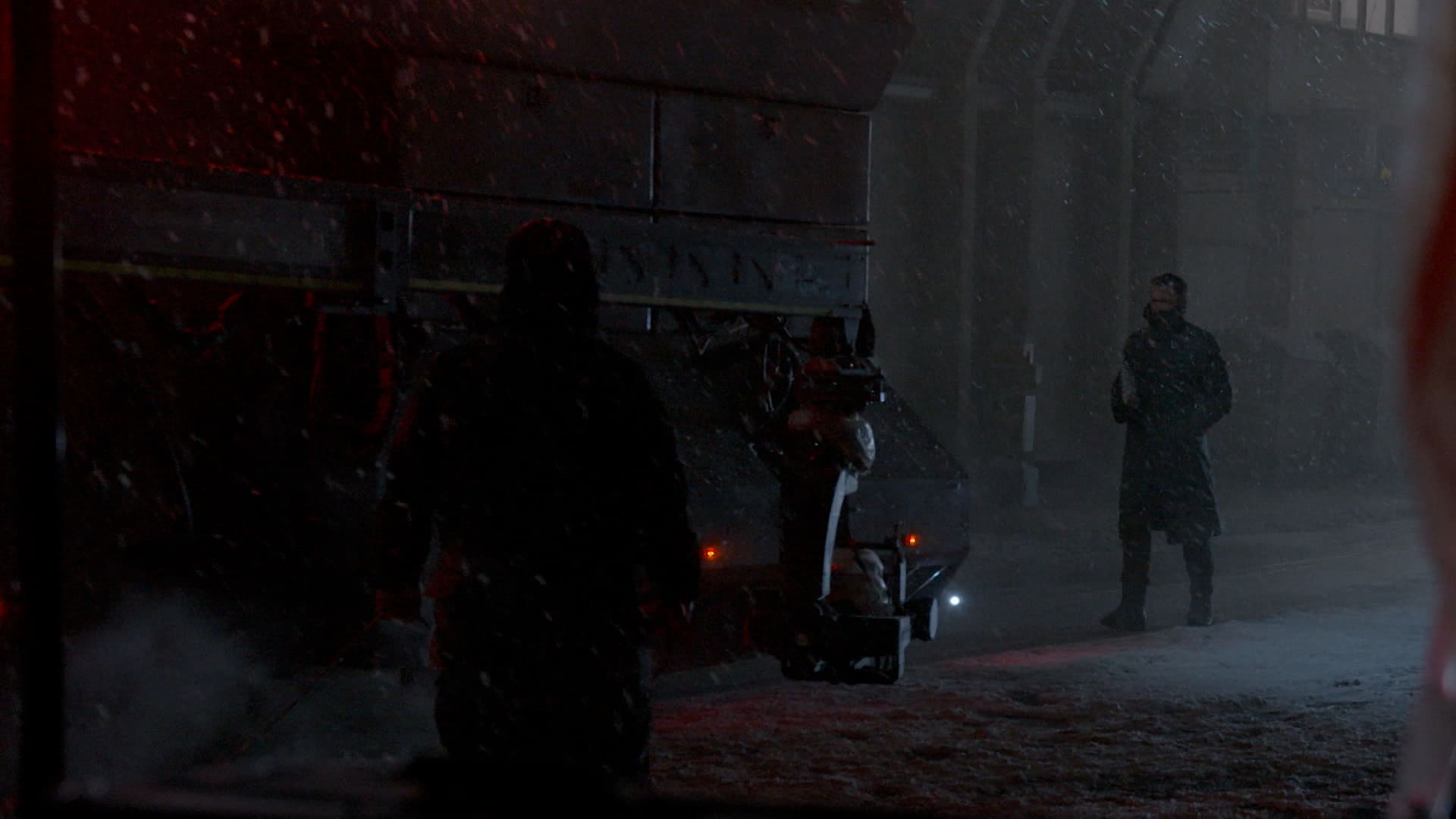
Every memorable film has a distinct visual identity, and much of that credit belongs to the production designer. Responsible for shaping the overall look and atmosphere of a movie, production designers oversee everything from sets and props to costumes, color palettes, and filming locations. Their work ensures that every visual element complements the story being told. While audiences often praise directors and actors, production designers play an equally important role in creating cinematic worlds that feel immersive, believable, and unforgettable.
Few filmmakers demonstrate the power of production design better than Guillermo del Toro. His films are instantly recognizable through their dark fantasy aesthetics, elaborate creature designs, and remarkable attention to detail. Every frame is carefully crafted to create worlds that feel both haunting and magical. Rather than relying solely on visual effects, Del Toro fills his movies with richly designed practical sets and handcrafted elements that give his stories texture and authenticity. Even actors have spoken about being amazed by the incredible detail present in every corner of his productions, making it easier for them to immerse themselves in the characters and environments.
Wes Anderson offers a completely different but equally distinctive visual style. His films are known for perfectly symmetrical compositions, pastel color palettes, and meticulously designed sets that resemble elaborate dollhouses. Every object appears carefully placed, creating a whimsical atmosphere unlike anything else in modern cinema. Anderson’s dry sense of humor is reflected in his production design, where even ordinary rooms become visually entertaining through clever layouts, vintage props, and carefully coordinated colors. His unmistakable aesthetic has become so iconic that audiences can often recognize one of his films from a single frame.
Another master of production design is Terry Gilliam, whose films embrace complexity, eccentricity, and practical craftsmanship. Movies such as Brazil, 12 Monkeys, and The Zero Theorem are filled with unusual machinery, oversized props, and bizarre inventions that seem to exist purely to enrich the visual world. Instead of relying heavily on computer-generated imagery, Gilliam favors practical effects, elaborate mechanical devices, animatronics, and handcrafted sets. These tangible creations give his films a unique sense of realism despite their surreal subject matter. One memorable example from 12 Monkeys features Bruce Willis suspended in an unusual interrogation chair surrounded by strange mechanical equipment, illustrating Gilliam’s commitment to building imaginative physical environments.
The greatest examples of production design share one important characteristic: they prioritize real, carefully crafted environments whenever possible. While modern CGI has become an invaluable filmmaking tool, practical sets, physical props, and detailed craftsmanship often create a stronger connection between audiences and the story. Real environments also help actors deliver more authentic performances by giving them something tangible to interact with. Whether it’s Guillermo del Toro’s dark fantasy worlds, Wes Anderson’s colorful storybook settings, or Terry Gilliam’s wonderfully eccentric creations, exceptional production design proves that visual storytelling is one of cinema’s most powerful artistic tools.
