
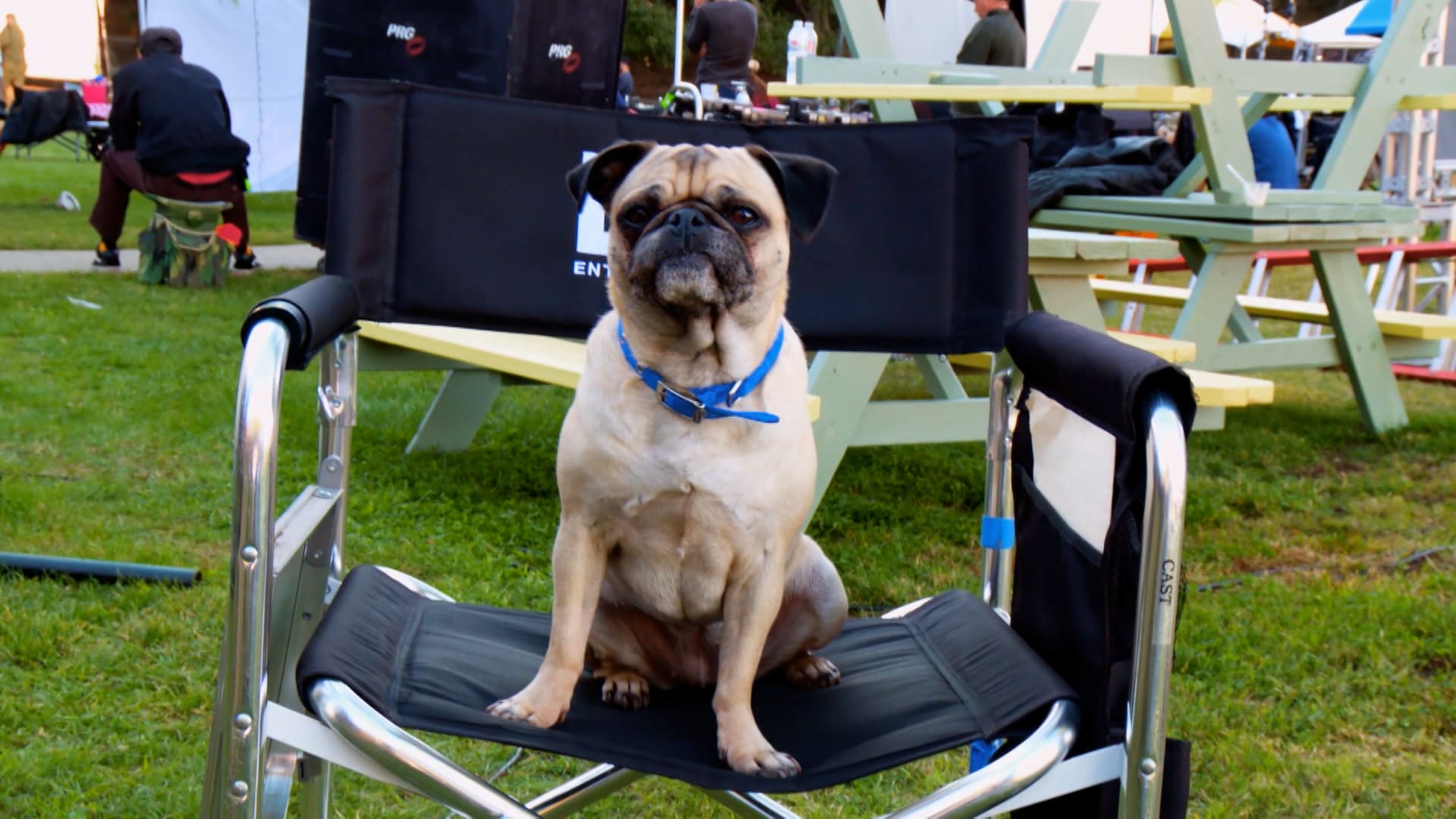
From Beethoven and Lassie to Scooby-Doo, canine stars have entertained audiences for generations. While these beloved characters often seem to perform effortlessly on screen, bringing a dog to life in a film requires careful planning, expert trainers, and plenty of patience. Behind every memorable movie dog is a team dedicated to making each scene look natural while ensuring the animals remain comfortable and motivated throughout production.
Professional film productions typically work with companies that specialize in training dogs for television and cinema. These organizations provide highly skilled animals capable of responding to complex commands and performing a wide range of behaviors on cue. Trainers also maintain dogs of different breeds to match the specific character required for each project. A famous collie like Lassie, for example, cannot simply be replaced by another breed, making careful casting just as important for canine performers as it is for human actors.
Rather than relying on a single dog, productions usually employ multiple animals to portray the same character. These dogs are selected because they closely resemble one another, allowing audiences to believe they are watching the same animal throughout the film. Using several dogs also helps accommodate their natural routines. Since dogs typically sleep for much of the day, rotating performers prevents fatigue during the long filming schedules common on movie sets. Some dogs are also trained for specialized tasks, such as climbing obstacles or performing particularly demanding stunts, while others focus on more expressive acting scenes.
Training extends beyond physical tricks. Handlers work to ensure each dog’s behavior matches the personality of the character being portrayed. A confident rescue dog, a playful family pet, or a disciplined police dog all require different body language and reactions. Trainers build these behaviors through consistent practice, positive reinforcement, and strong relationships with the animals, creating performances that feel believable without causing unnecessary stress.
Working with puppies presents an even greater challenge. Young dogs have short attention spans and unpredictable energy levels, making lengthy filming sessions impossible. Trainers often rely on brief takes, toys, praise, and food rewards to encourage the desired behavior before the puppy loses interest. Although audiences may only see a few seconds of adorable footage on screen, those moments are usually the result of careful preparation, expert timing, and remarkable patience. Thanks to the dedication of professional animal trainers, movie dogs continue to deliver unforgettable performances that have become some of cinema’s most enduring stars.
