
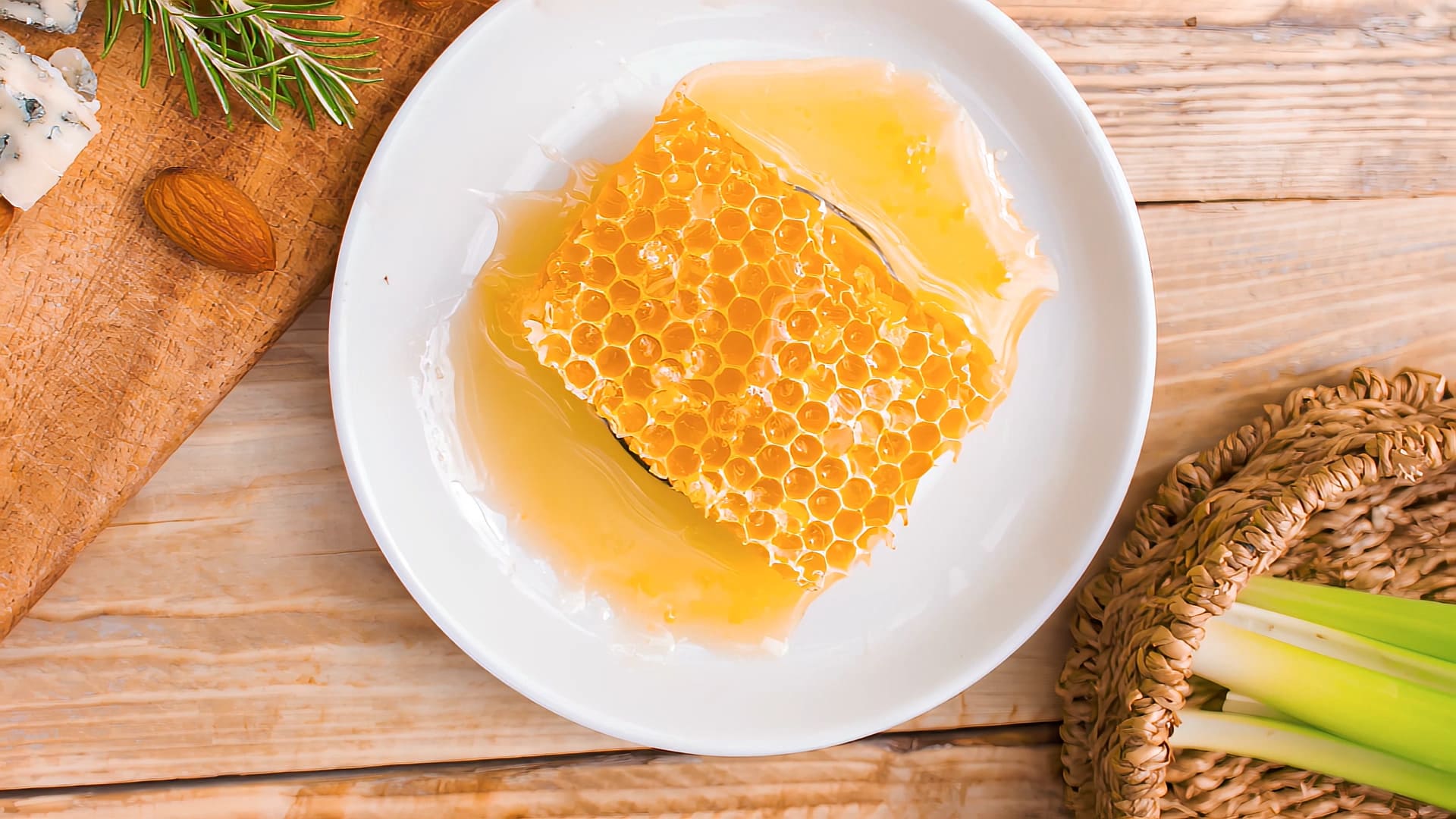
Honey might seem like one of the most ordinary products in the kitchen, but not every jar is created the same way. Its flavor, aroma and characteristics can vary depending on the flowers visited by bees and the environment in which it is produced. At the luxury end of this surprisingly diverse world sits mānuka honey, a specialty strongly associated with New Zealand. Produced when bees collect nectar from mānuka flowers, it has attracted attention for its distinctive properties and limited production. Some exceptionally rare versions have even been marketed with price tags reaching well beyond those of everyday honey.
Producing premium mānuka honey can be difficult because the plant flowers for only a relatively short period. Beekeepers therefore have a limited opportunity to position their colonies where bees can collect the desired nectar. Some remote areas of New Zealand are difficult to reach by road, adding another layer of complexity. Producers such as The True Honey Co. have used helicopters to transport beehives into isolated locations during the flowering season and retrieve them afterward. This approach can increase production costs considerably.
Scarcity is only part of the story. Mānuka honey can be graded according to measurements associated with its chemical composition and authenticity. One important compound is methylglyoxal, commonly abbreviated as MGO, which is associated with mānuka honey’s antibacterial activity. Higher grade products can command significantly higher prices, particularly when produced in small quantities. That combination of remote harvesting, limited flowering periods, testing and restricted supply helps explain why certain jars are marketed as luxury products.
Mānuka honey has also become popular beyond the kitchen. Research has examined its antimicrobial properties, and specially prepared medical grade honey is used in some wound care products. However, that does not mean an expensive jar should be treated as a cure for illnesses. Ordinary mānuka honey can still be enjoyed as food, and honey in general may help soothe a cough or irritated throat. Claims that it can quickly eliminate colds or provide dramatic health improvements should be treated cautiously, since those benefits are not established simply because a honey has a high price or premium rating.
The fascination surrounding mānuka honey ultimately comes from the unusual combination of nature, geography and careful production behind each jar. For most people, it remains a sweetener rather than a miracle treatment, and there is little reason to spread an extremely expensive variety over everyday pancakes. Still, premium mānuka demonstrates how something as familiar as honey can become a specialized product when rarity, location and production methods come together.
