
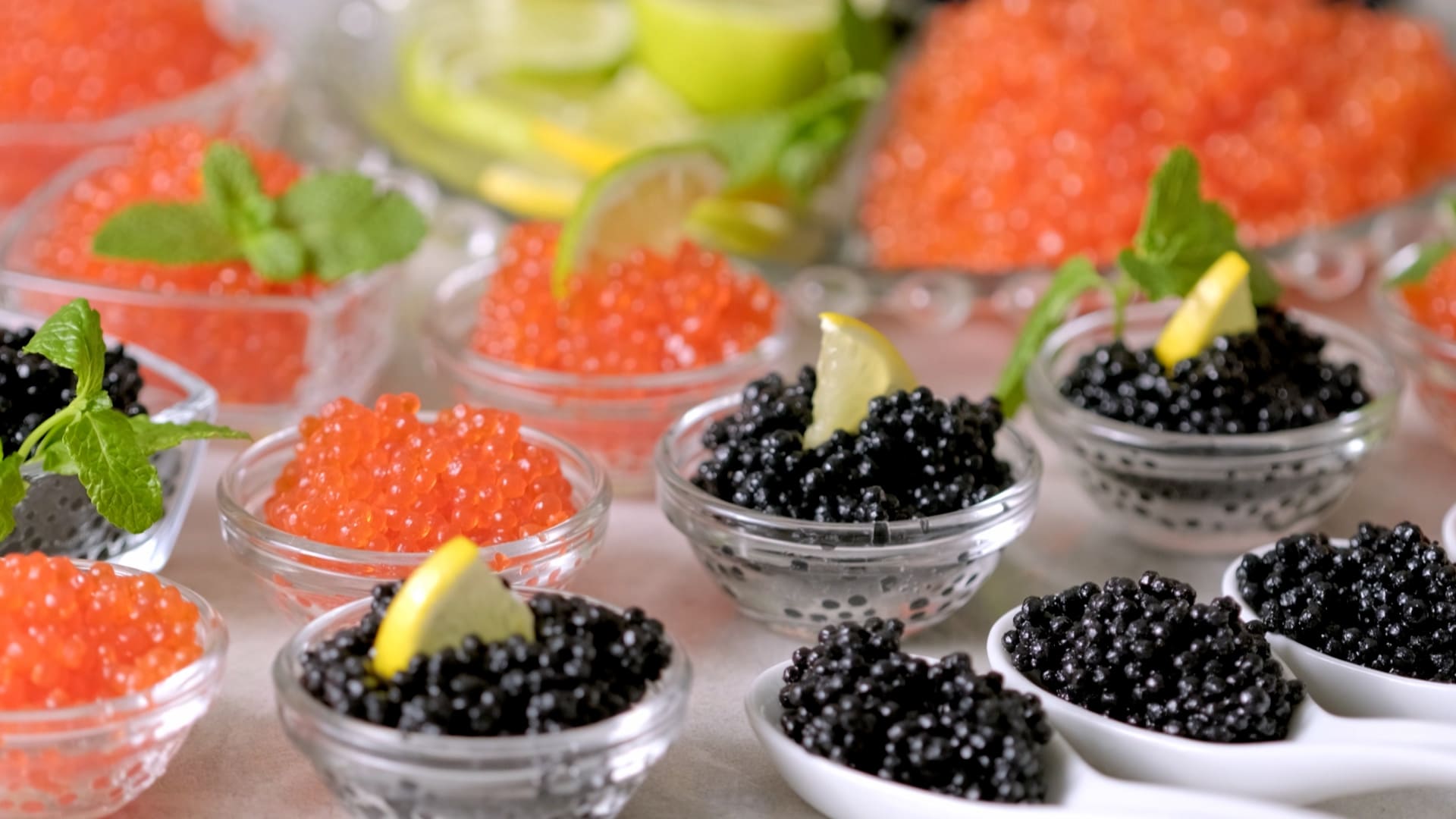
Few foods communicate luxury quite as instantly as caviar. Those tiny, glossy pearls have appeared at extravagant celebrations and elegant tables for generations, carrying a reputation that reaches far beyond their size. True caviar is salt cured roe from fish belonging to the sturgeon family, with varieties differing in color, texture, size and flavor. Its association with wealth has deep historical roots, particularly in Europe and Russia, while modern diners continue to treat it as a special occasion ingredient. Yet behind the prestige, caviar also has an interesting nutritional profile.
Caviar contains protein and is particularly notable as a source of vitamin B12. It can also provide omega 3 fatty acids along with nutrients such as selenium and smaller amounts of other vitamins and minerals. Omega 3 fatty acids play important roles in the body, including supporting normal cardiovascular and brain function. That gives caviar more nutritional value than its glamorous reputation might suggest.
Still, calling caviar a miracle food or a shortcut to perfect skin would go too far. The nutrients it contains are available from many other foods, often at a much lower price. Caviar can also contain significant amounts of sodium because salt is an essential part of its preparation. Since portions are typically small, it is better viewed as a nutrient rich delicacy rather than something people need to eat in large quantities for health benefits.
Much of caviar’s appeal instead comes from the experience of eating it. Different varieties can offer flavors ranging from delicate and buttery to briny, nutty or distinctly oceanic. The eggs should have a characteristic texture that gently releases flavor in the mouth. Traditionally, caviar is served chilled and can be eaten by itself or paired with simple accompaniments such as blini, crème fraîche, toast points or potatoes. Keeping the surrounding flavors restrained allows the roe to remain the centerpiece.
There is even a playful way of tasting caviar known as a caviar bump, where a small spoonful is placed on the back of the hand and eaten directly. The practice has become especially visible at fashionable restaurants and social events, although a traditional serving works just as well.
Ultimately, caviar does not need exaggerated wellness claims to justify its enduring reputation. Its rarity, specialized production, distinctive flavor and centuries of culinary tradition already make it unusual. Whether served carefully on a canapé or tasted straight from the hand, caviar remains a food built around small portions and big ceremony, proving that sometimes luxury really can arrive in a very tiny tin.
