
Turning a celebrated novel into a movie can be difficult, especially when the book has such a distinctive personality. Eileen, adapted from Ottessa Moshfegh’s acclaimed 2015 novel, embraces that challenge rather than simply recreating the story page by page. Directed by William Oldroyd, the psychological thriller takes viewers into a bleak world of isolation, fascination and increasingly dangerous choices. The result draws on the atmosphere of classic suspense cinema while giving Moshfegh’s story a new identity on screen.
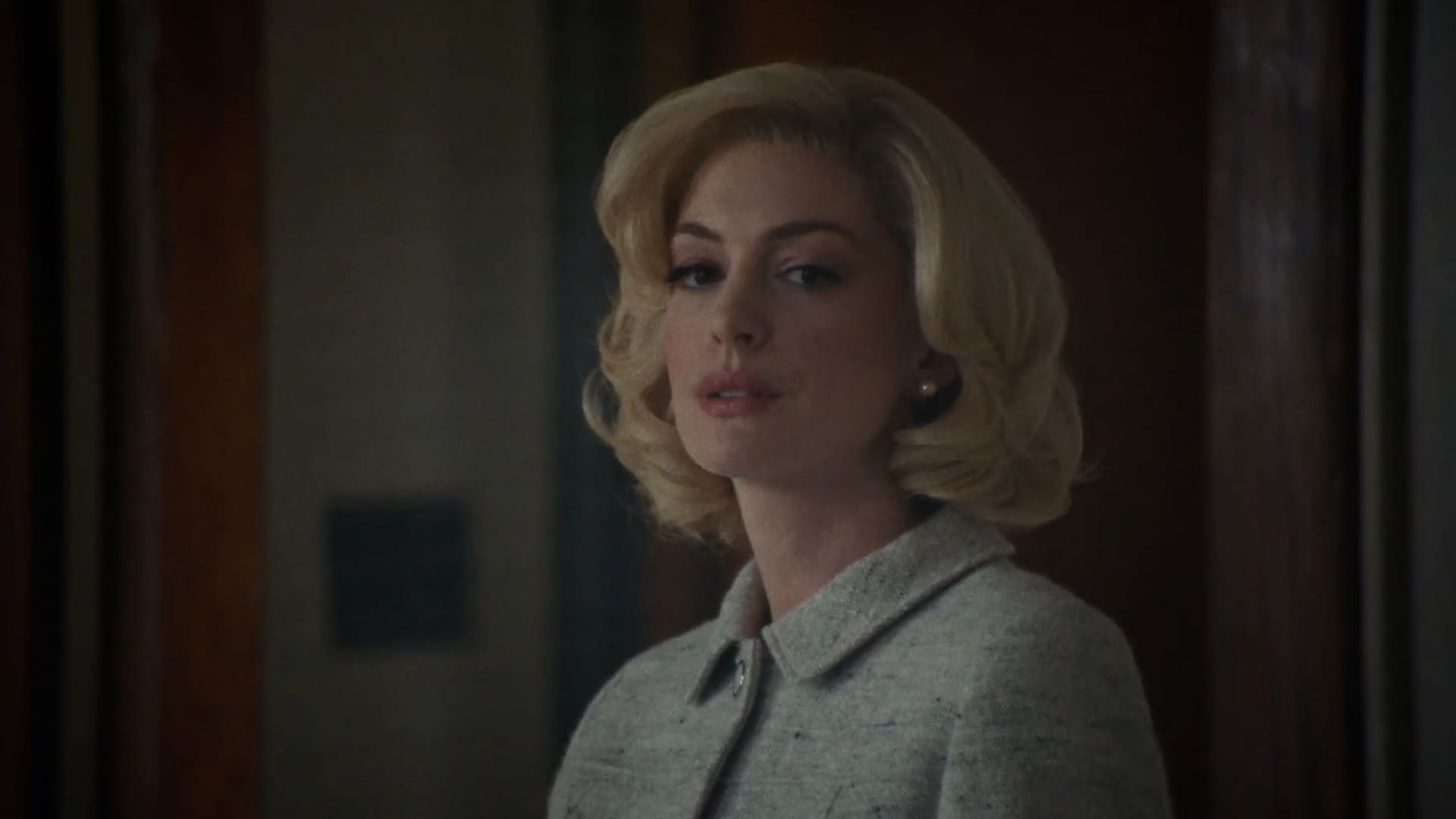
Set in Massachusetts during the 1960s, Eileen follows a young woman living an unhappy and restricted life while working at a juvenile detention facility. Her routine changes dramatically with the arrival of Rebecca, the institution’s sophisticated new psychologist. Eileen quickly becomes fascinated by her confident colleague, and their developing relationship pulls her toward circumstances she could hardly have anticipated. Thomasin McKenzie plays Eileen, while Anne Hathaway takes on the role of the mysterious Rebecca.
The film marked Oldroyd’s second feature after Lady Macbeth, his striking 2016 drama starring Florence Pugh. When considering his next project, the director encountered Moshfegh’s work and found himself particularly drawn to Eileen. Its unusual central character, unsettling atmosphere and psychological complexity offered material that could be reshaped through cinematic language rather than treated as a completely faithful reproduction of the novel.
Moshfegh herself helped make that transformation possible. She co-wrote the screenplay with Luke Goebel, approaching the adaptation as an opportunity to reconsider her own material. Oldroyd noted that adapting novels can become challenging when authors feel every detail from the original book must appear on screen. Literature and cinema work differently, and a successful adaptation sometimes requires characters, scenes or even elements of the story to change. Moshfegh was willing to embrace that process rather than protect every part of the novel.
That flexibility became one of the project’s greatest strengths. Instead of treating the book as something that could not be altered, the filmmakers used it as the foundation for a distinct cinematic experience. Eileen retains the uncomfortable psychology and dark intrigue that made the original story memorable while allowing the movie to establish its own rhythm and visual personality. It is a reminder that adapting a novel does not always mean reproducing it exactly. Sometimes the most faithful approach to a story’s spirit is being willing to tell it differently.
