
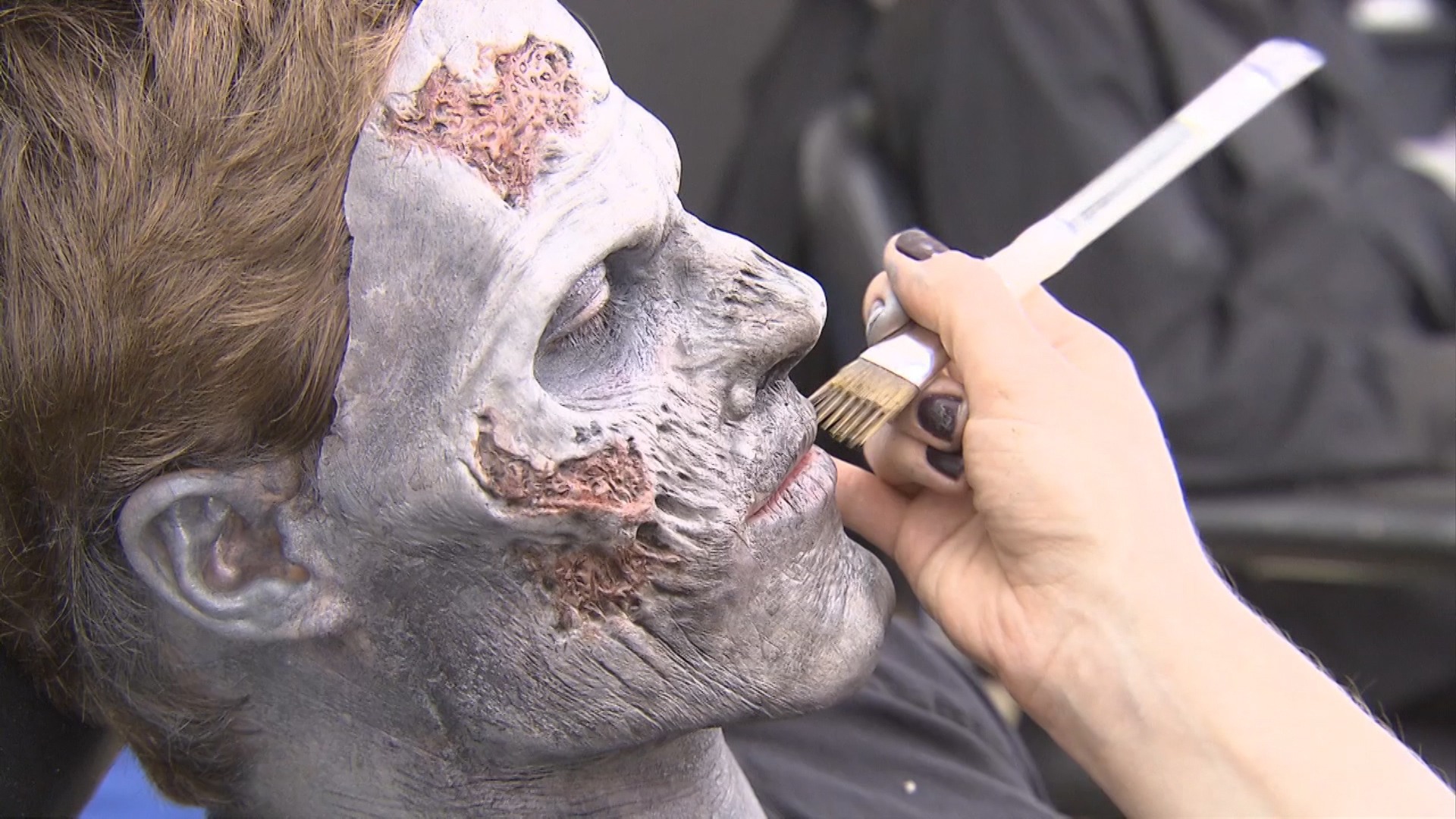
Zombie movies, undead horror, and brain-eating ghouls have been terrifying audiences for decades. The first of these growling shamblers appeared in 1932’s White Zombie, introducing cinema-goers to the concept of reanimated corpses. The genre evolved over the years, reaching a milestone with George A. Romero’s Night of the Living Dead in 1968. This film established many of the rules we now associate with zombies: they must eat the living, cannot think, are resistant to bodily injuries, and can only be killed by destroying the brain. Its 1978 sequel, Dawn of the Dead, though less original, is often regarded as one of the best zombie movies of all time.
Throughout the 1980s, countless horror movies featuring brain-eating monsters flooded theaters, but the 1990s saw a decline in zombie film popularity. The genre was revived in 2002 with Resident Evil and 28 Days Later. The latter brought a post-apocalyptic London to life, featuring a world where the living dead ruled the streets, influencing subsequent films and series.
In 2007, I Am Legend added a new twist, with Will Smith portraying what appears to be the last man on Earth, struggling to survive while searching for a cure. As Smith explained, “Generally, in genre movies or sci-fi or horrors, it’s always the fantasy element. So what we try to do was, take that fantasy element and sort of create a hybrid. Let’s approach it the way I would approach ‘the Pursuit of Happiness.’ It’s a character, and we’re looking at the authentic journey of this character.”
A modern trend in zombie movies is that zombies are no longer always the main villains. The Umbrella Corporation in the Resident Evil franchise causes the outbreaks, while in The Walking Dead, survivors face as much danger from each other as from the undead.
Zombie films have also expanded beyond pure horror. Will Smith’s dramatic approach in I Am Legend shows how character-driven storytelling can elevate the genre, while comedies like Shaun of the Dead and Zombieland mix humor with horror. Woody Harrelson described his experience on Zombieland: “It wasn’t like I was looking to do a zombie movie. I just read the script and I thought it was so funny, I got to be a part of this.”
Other films, like Warm Bodies, have taken a romantic-comedy twist on the genre. Nicholas Hoult said, “We already had comedies with ‘Shaun of the Dead’ and ‘Zombieland’ and stuff, and then to take those films and kind of stick with that tone but add a romantic twist to it was something that perhaps people were a bit weary of at first. But the scripters did a really good job of balancing the heartwarming and romantic, but also the funny and taking itself not too seriously.”
Over the years, the zombie genre has changed drastically. Zombies have gone from mystical creatures to bloodthirsty, brain-eating killers. Films now often depict post-apocalyptic settings, showing the aftermath of outbreaks as ordinary people fight to survive extraordinary circumstances.
What remains consistent, however, are two things: practical makeup effects continue to dominate the screen, and the “what-would-you-do” dramatic tension still drives the stories. The genre is alive and kicking, with audiences ready for more post-apocalyptic horror and, hopefully, World War Z II.
