
Hollywood is famous for its billion-dollar blockbusters. Films like Titanic, Avatar, and Avengers: Endgame have each crossed the two-billion-dollar mark, cementing their place in movie history. But for every record-breaking hit, there are plenty of box office disasters. This time, we’re putting the spotlight on the biggest flops ever made and the reasons they drained millions from studio budgets.
Not all failures are the result of bad filmmaking. The biopic Steve Jobs earned glowing reviews, four Golden Globe nominations, and respect from critics. Yet audiences stayed away, and even with its relatively modest budget of $30 million, the film failed to turn a profit.
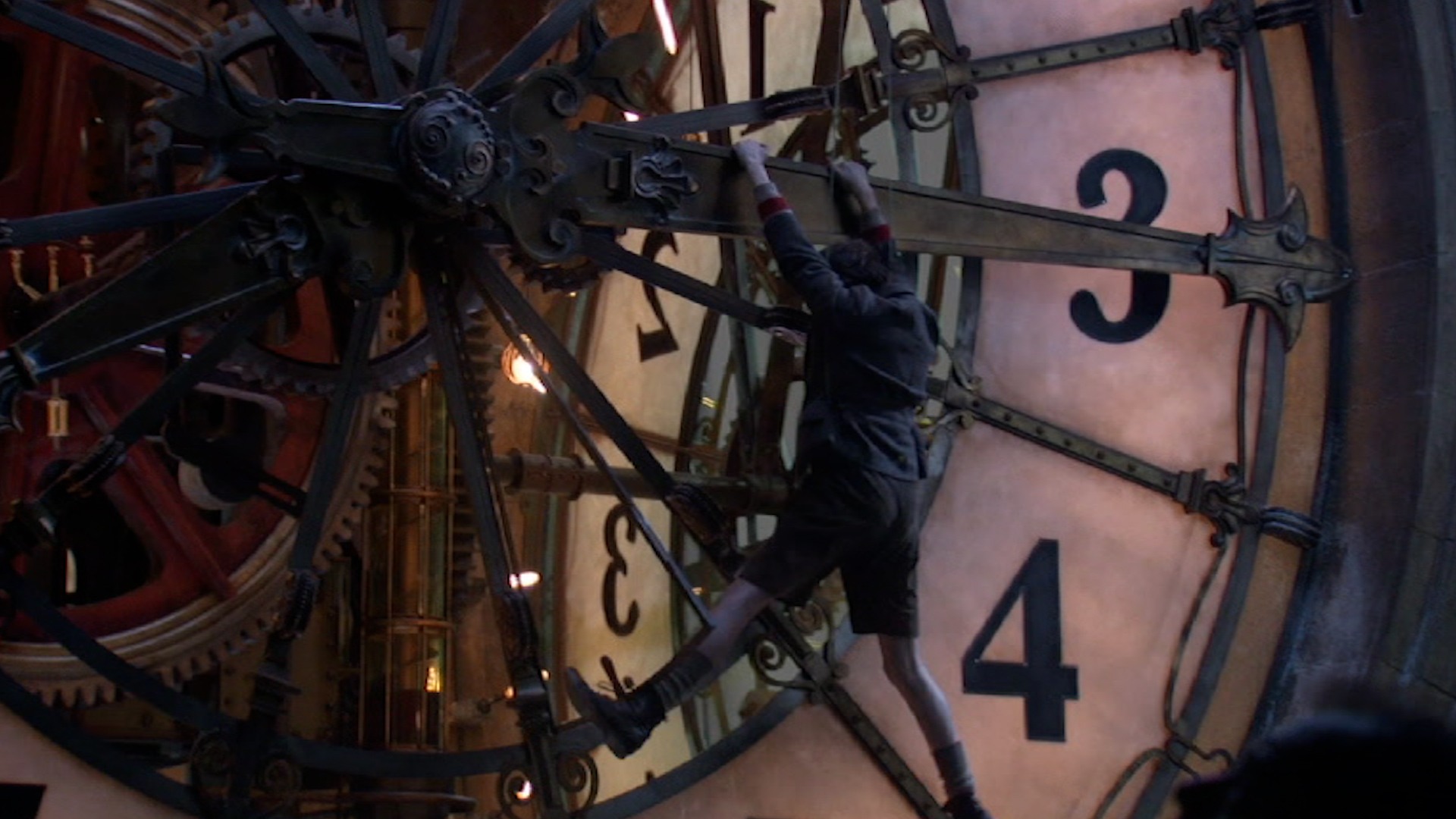
Things can get much worse. In 2011, Martin Scorsese tried his hand at family entertainment with Hugo. The film went on to win five Oscars and receive six more nominations, including Best Picture. Yet despite the accolades, it lost somewhere between $57 and $77 million. Scorsese later admitted he was drawn to the project for personal reasons, saying he wanted to make a film his daughter could actually watch.
While quality films sometimes flop, they’re the exception. Most underperformers earn their reputation the hard way, by being bad. Negative word of mouth can sink a movie faster than anything else. Just ask the team behind Fantastic Four (2015), a film that became infamous before it even left theaters.
Another common problem is a lack of a clear audience. Some movies try to appeal to both children and adults, but end up pleasing neither. Films like Victor Frankenstein and Jack the Giant Slayer fell into this trap. Even Disney, a studio known for its family-friendly touch, has stumbled here. Big-budget misfires such as The Lone Ranger, Tomorrowland, A Wrinkle in Time, and John Carter struggled to connect. Actor Taylor Kitsch, who starred in John Carter, recalled that it took him three full reads of the script to grasp the story’s complex worlds and characters, admitting it was “a lot” to take in.
Timing can be another silent killer. 47 Ronin remains one of the costliest flops in cinema history, losing around $150 million. Part of the problem was its release window; it faced stiff competition from The Wolf of Wall Street, Anchorman 2, The Hobbit: The Desolation of Smaug, and American Hustle all at once. Even impressive martial arts choreography couldn’t win audiences over in such a crowded season.
Genre can also play a role. High fantasy, apart from exceptions like The Lord of the Rings, is notoriously risky. Producer Ken McGaugh once noted that while nearly anything is possible with enough money and time, these kinds of projects are incredibly labor-intensive. The same is true for science fiction. Building entirely new worlds often relies heavily on CGI, which is among the most expensive tools in filmmaking.
In the end, the reasons behind box office bombs vary. Some are too niche, some are poorly timed, and others simply fail to resonate. But predicting which films will succeed remains nearly impossible. Sometimes critical darlings lose money, while widely panned comedies, like Adam Sandler’s Jack and Jill, a film that “won” ten Razzie Awards, manage to double their budget.
