
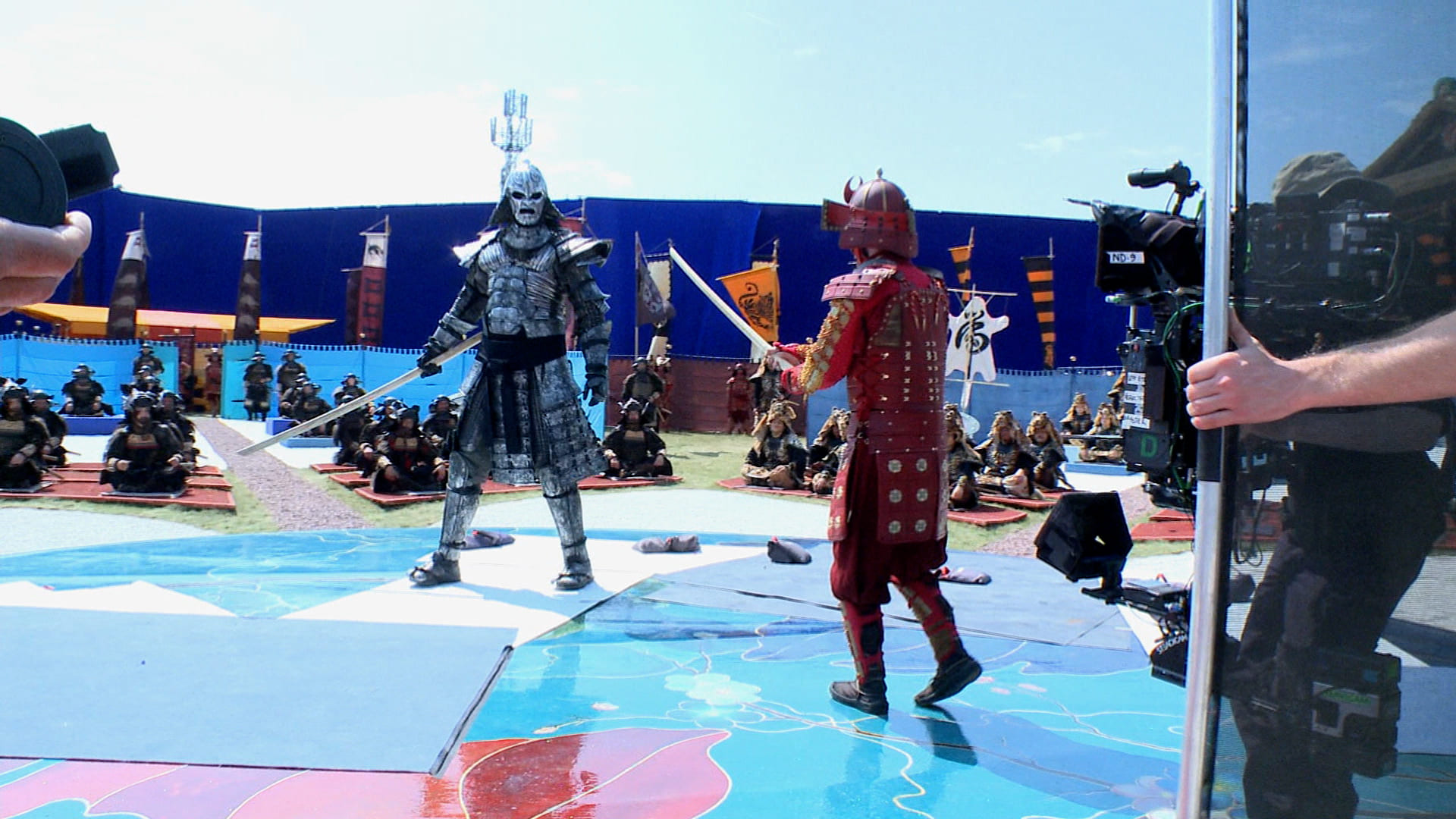
Sword fights have created some of cinema’s most memorable action sequences, but impressive choreography alone does not make a great duel. The strongest scenes reveal something about the people holding the weapons. A fighter’s stance, speed, confidence and reactions can communicate personality without requiring dialogue. Every movement can show experience, fear, anger or desperation. When filmmakers combine those details with meaningful stakes, a sword fight becomes another way of telling the story.
Historically, mastering a sword demanded training, discipline and repeated practice. Movies exaggerate that reality for entertainment, creating fighters capable of extraordinary precision and athleticism. Some cinematic battles remain relatively grounded, while others ignore gravity and physical limitations entirely. Both approaches can work because realism is not always the most important ingredient. What matters is whether audiences understand who is fighting, why the confrontation matters and what each character stands to lose.
47 Ronin demonstrates how contrasting fighting styles can help define characters. The fantasy adventure stars Keanu Reeves and Hiroyuki Sanada and uses combat as part of its character development. Sanada has explained that individual characters possess their own fighting styles and gradually learn about one another through combat. A fighter who begins with a wild approach focused on survival can evolve as experience, discipline and relationships change him. In this way, choreography becomes part of the character arc rather than simply a collection of impressive moves.
Ang Lee applied a similar storytelling philosophy to Crouching Tiger Hidden Dragon. The acclaimed martial arts film won four Academy Awards and became famous for action sequences in which characters appear to move beyond ordinary physical limits. Yet Lee has emphasized that a fight cannot simply interrupt the story for several minutes. If an action sequence stops the plot completely, even technically brilliant choreography can become repetitive.
Instead, the filmmaker believed combat should continue developing both story and character. Crouching Tiger Hidden Dragon demonstrates this through battles that express rivalry, frustration, attraction, experience and conflicting philosophies. The weapons and movements may provide the spectacle, but emotional tension gives those movements meaning.
Creating such scenes also requires significant preparation from performers. Actors may spend months learning choreography, footwork, timing and safe techniques before cameras begin rolling. The finished sequence must look spontaneous even though every movement has usually been carefully rehearsed.
That combination of performance, choreography and storytelling explains why cinematic sword fights remain so compelling. Audiences may initially come for the clash of blades and spectacular movement, but the most memorable battles offer something deeper. When every strike reveals character and every confrontation advances the story, an action sequence can communicate as much as any conversation.
