
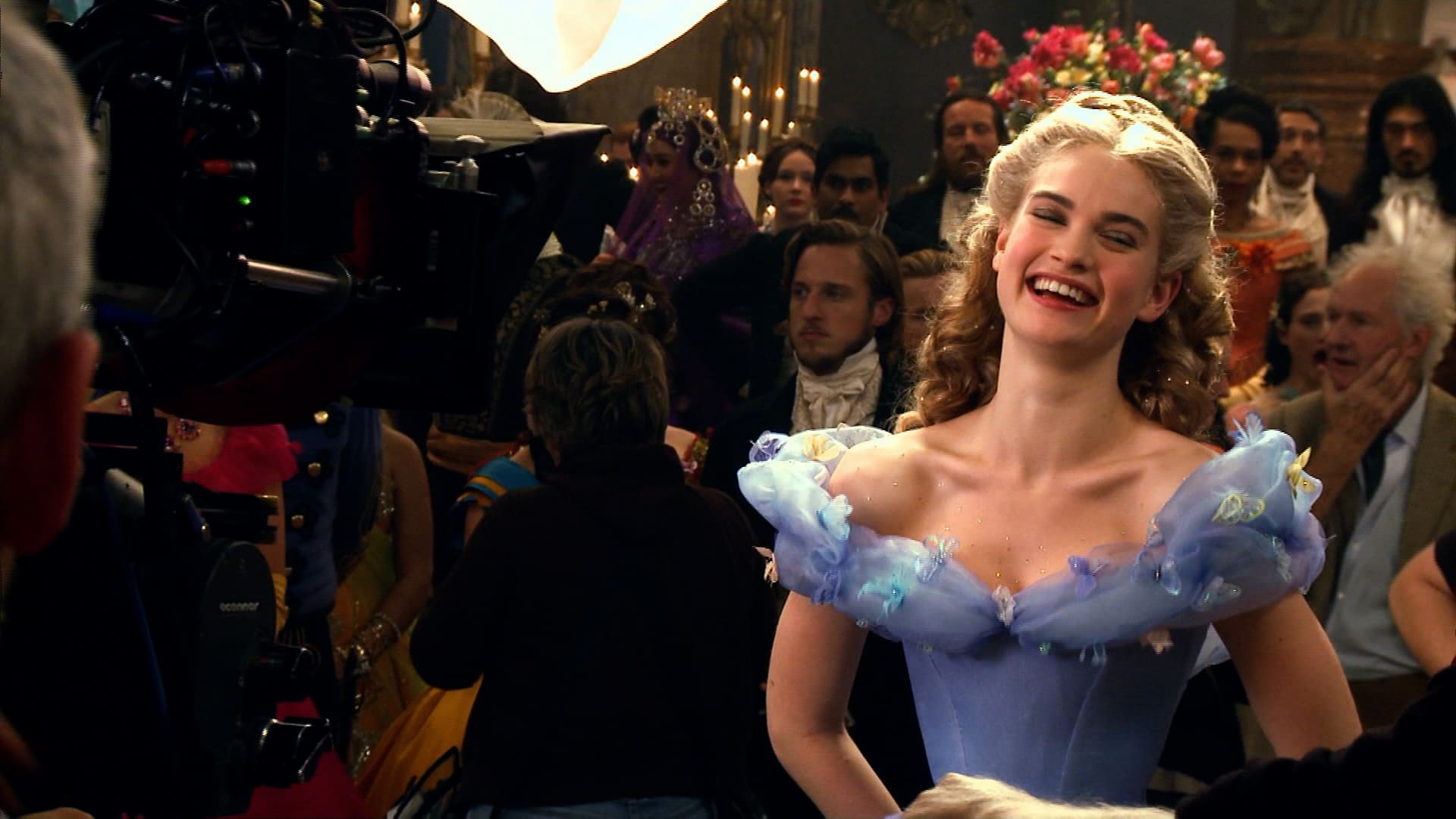
Disney has spent decades returning to familiar stories, but its modern wave of remakes has turned that habit into a major filmmaking strategy. Nostalgia is an obvious part of the appeal, allowing audiences who grew up with animated classics to experience recognizable characters in a different form. New filmmaking technology has also made previously difficult fantasy worlds possible to recreate with extraordinary detail. At the same time, familiar titles arrive with generations of audience awareness already attached to them. The result is a formula that combines valuable intellectual property with the opportunity to introduce established stories to younger viewers.
The idea predates the current remake boom. In 1996, Disney transformed its 1961 animated film One Hundred and One Dalmatians into a live action comedy starring Glenn Close as Cruella de Vil. Rather than recreating the cartoon scene by scene, the film developed its own exaggerated visual personality. Real dogs, elaborate costumes and practical filmmaking gave it a distinctive identity, while Close’s theatrical performance offered a new interpretation of one of Disney’s most recognizable villains. The movie later received a sequel, while Cruella returned to theaters in a separate 2021 origin story starring Emma Stone.
Tim Burton’s Alice in Wonderland pushed the concept much further in 2010. Instead of simply translating Disney’s 1951 animation into live action, the film imagined an older Alice returning to Wonderland. Extensive visual effects created a darker fantasy environment populated by digitally enhanced characters and surreal landscapes. Its enormous commercial success demonstrated the potential of combining a recognizable Disney property with contemporary effects and a filmmaker’s distinctive visual style.
By the middle of the 2010s, individual experiments had developed into a steady stream of productions. Cinderella revisited the fairy tale through lavish live action design, while The Jungle Book relied heavily on digital environments and computer generated animals. Beauty and the Beast recreated many familiar elements of its animated predecessor, and The Little Mermaid brought its underwater world into a hybrid of live action performance and digital imagery. Other projects have taken greater liberties with their source material.
The strategy also makes commercial sense. Disney’s characters, songs and stories remain valuable only if audiences continue engaging with them. A remake can attract adults through familiarity while introducing the same property to children who may not have a strong connection with an older animated film. Successful releases can also renew interest in merchandise, theme park experiences, streaming titles and the original movies themselves.
That does not mean every remake is automatically necessary or creatively successful. Audiences continue to debate whether familiar stories benefit from realistic visuals or whether animation remains their ideal form. Yet Disney’s motivation is understandable. These films allow the studio to combine nostalgia, modern technology and some of the most recognizable entertainment properties in the world, keeping decades old stories circulating for another generation.
