
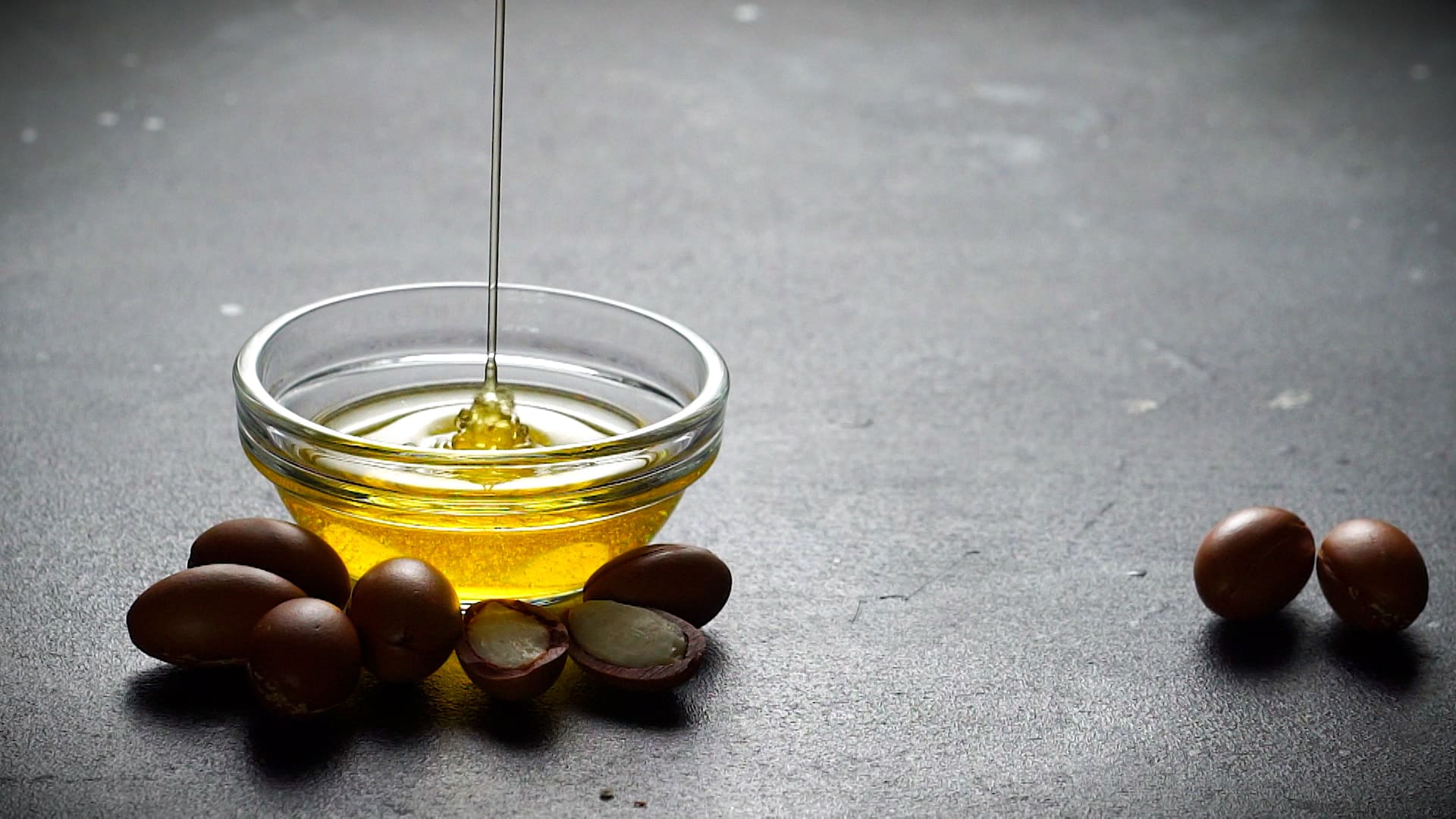
Olive oil is a kitchen essential, but some bottles are treated more like luxury collectibles than cooking ingredients. Prices can range from inexpensive supermarket options to premium oils presented in elaborate packaging and sold for extraordinary sums. One famous example comes from Greek producer Lambda, which has offered highly exclusive versions costing thousands of dollars when paired with luxury presentation. Yet an expensive bottle does not automatically mean better olive oil. For increasingly informed consumers, origin, freshness, production methods and authenticity matter far more than an impressive price tag.
Understanding quality begins with how the olives are handled. Extra virgin olive oil is the highest recognized grade and must meet specific chemical and sensory standards. Producers often focus on harvesting healthy olives at the right stage of ripeness and processing them quickly after picking. Modern extraction generally relies on mechanical methods under carefully controlled conditions. Contrary to the idea that traditional pressing is always superior, quality depends on factors including the fruit, storage, temperature, cleanliness and speed of processing.
Origin has also become increasingly important as shoppers pay more attention to where their food comes from. Labels can provide useful information about the country or region of production, while European geographical indication systems protect certain products associated with specific places and production traditions. However, consumers should still read labels carefully rather than assuming an Italian sounding name or elegant bottle guarantees that the oil was entirely produced in Italy. Harvest dates, producer information and recognized certifications can provide additional clues about what is inside.
Sustainability is another consideration for some premium buyers, but expensive olive oil is not automatically organic or environmentally friendly. Organic certification refers to specific farming standards, while sustainability can involve broader practices such as responsible water use, soil management, biodiversity protection and reducing waste. Consumers who value these qualities should look for credible certification or transparent information from producers instead of relying on luxury branding alone.
At the highest end of the market, presentation can become almost as important as the oil. Limited editions may arrive in handmade bottles, personalized cases or decorative packaging designed for gifting and collecting. Those details can dramatically increase the price without necessarily improving flavor. For anyone primarily interested in eating the oil, a well produced extra virgin variety does not need to cost hundreds or thousands of dollars. Freshness, proper storage and personal taste are more useful guides. Premium olive oil can offer distinctive aromas and flavors, but the smartest luxury is knowing whether the extra money is paying for exceptional oil, sustainable production, elaborate packaging or simply exclusivity.
