
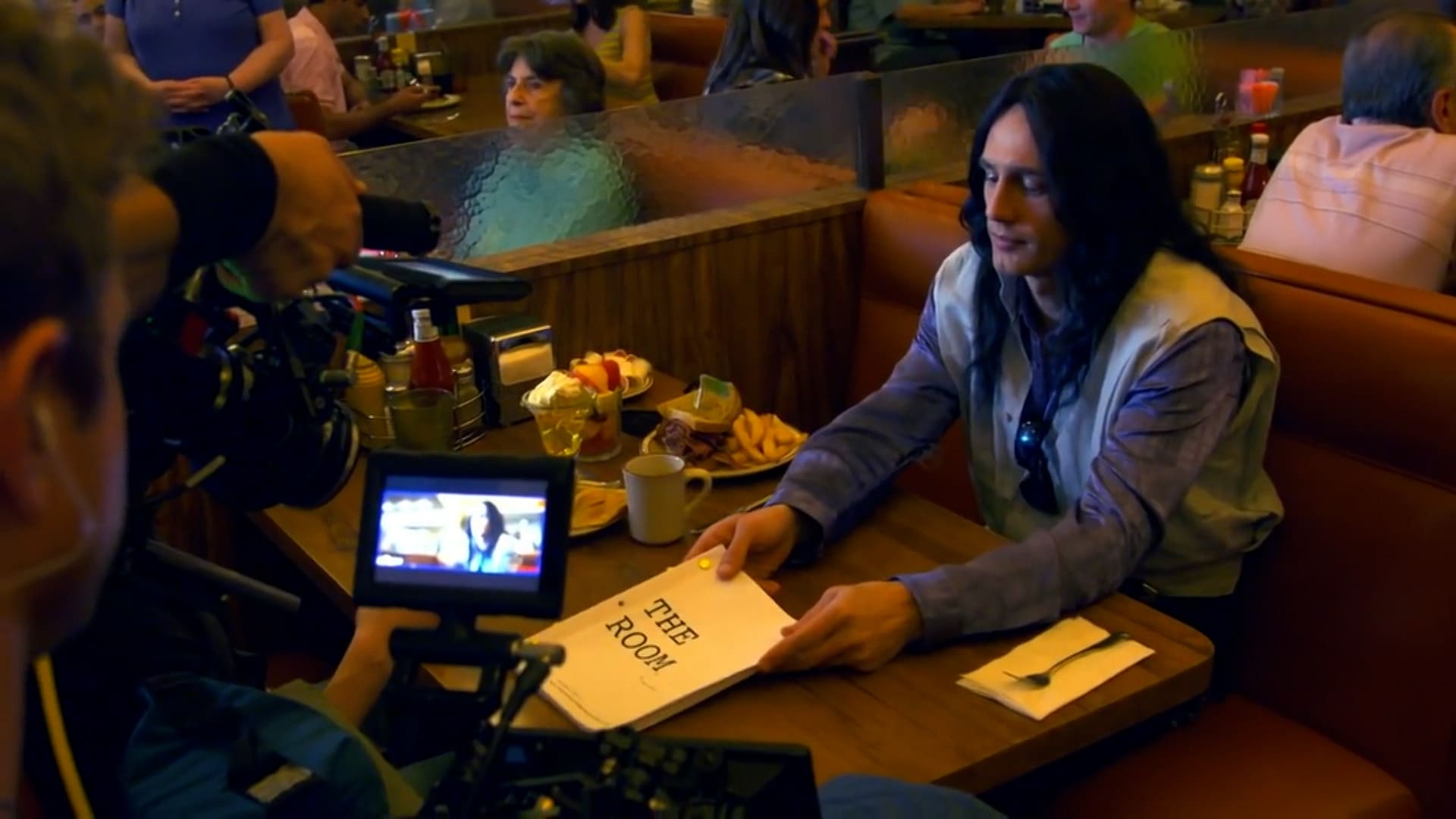
Writers are responsible for creating many of the stories audiences eventually see on screen, but Hollywood also has a fascination with turning writers themselves into characters. Often portrayed as eccentric, isolated or consumed by their imaginations, fictional and real-life writers provide filmmakers with opportunities to explore creativity, ambition and the strange relationship between an author and their work. Movies such as The Disaster Artist, Stranger Than Fiction and Ruby Sparks demonstrate just how differently this idea can be approached.
The Disaster Artist takes inspiration from the remarkable true story behind the making of the 2003 cult film The Room. James Franco portrays Tommy Wiseau, the mysterious writer, director and star responsible for the famously unconventional production. Rather than simply mocking its troubled creation, the film examines the enormous determination behind Wiseau’s vision. His unusual personality and unwavering confidence create plenty of comedy, but they also reveal something recognizable about artists who continue pursuing their ideas regardless of how others respond.
Stranger Than Fiction takes the writer concept in a completely different direction. Will Ferrell plays Harold Crick, an ordinary IRS employee who suddenly hears a mysterious narrator describing everything happening in his life. He eventually discovers that he is apparently a character inside a novel being written by an author portrayed by Emma Thompson. Written by Zach Helm, the film turns the familiar relationship between author and character into something literal, raising questions about destiny, creative control and whether writers truly understand the consequences of the stories they create.
Ruby Sparks explores similar ideas through romance. Paul Dano plays novelist Calvin, who writes about his ideal woman only to discover that his fictional creation, Ruby Sparks, has somehow become real. Calvin can change Ruby simply by continuing to write, transforming his extraordinary creative ability into a troubling form of control. The story gradually becomes an examination of relationships, personal freedom and the dangers of trying to reshape another person according to an imagined ideal.
The concept becomes even more interesting because Zoe Kazan, who portrays Ruby, also wrote the screenplay. She has explained that the idea was partly inspired by the ancient Pygmalion myth about a sculptor whose creation comes to life. That connection demonstrates why writers remain such compelling cinematic protagonists. Writing is usually a quiet process, but movies can transform imagination into something visible and dramatic. By giving fictional authors extraordinary influence over characters and worlds, filmmakers can explore creativity itself and ask what happens when storytelling becomes powerful enough to change reality.
