
Movies have always found powerful stories in people who seem unlikely to belong together. Sometimes the connection is romantic, while other films focus on friendship, family, or relationships formed during extraordinary circumstances. These pairings can generate comedy and conflict, but their real value often comes from challenging assumptions about how people should connect. By bringing together characters with different personalities, experiences, and backgrounds, filmmakers can explore empathy, loyalty, prejudice, personal growth, and sacrifice. Some memorable films demonstrate just how flexible that idea can be.
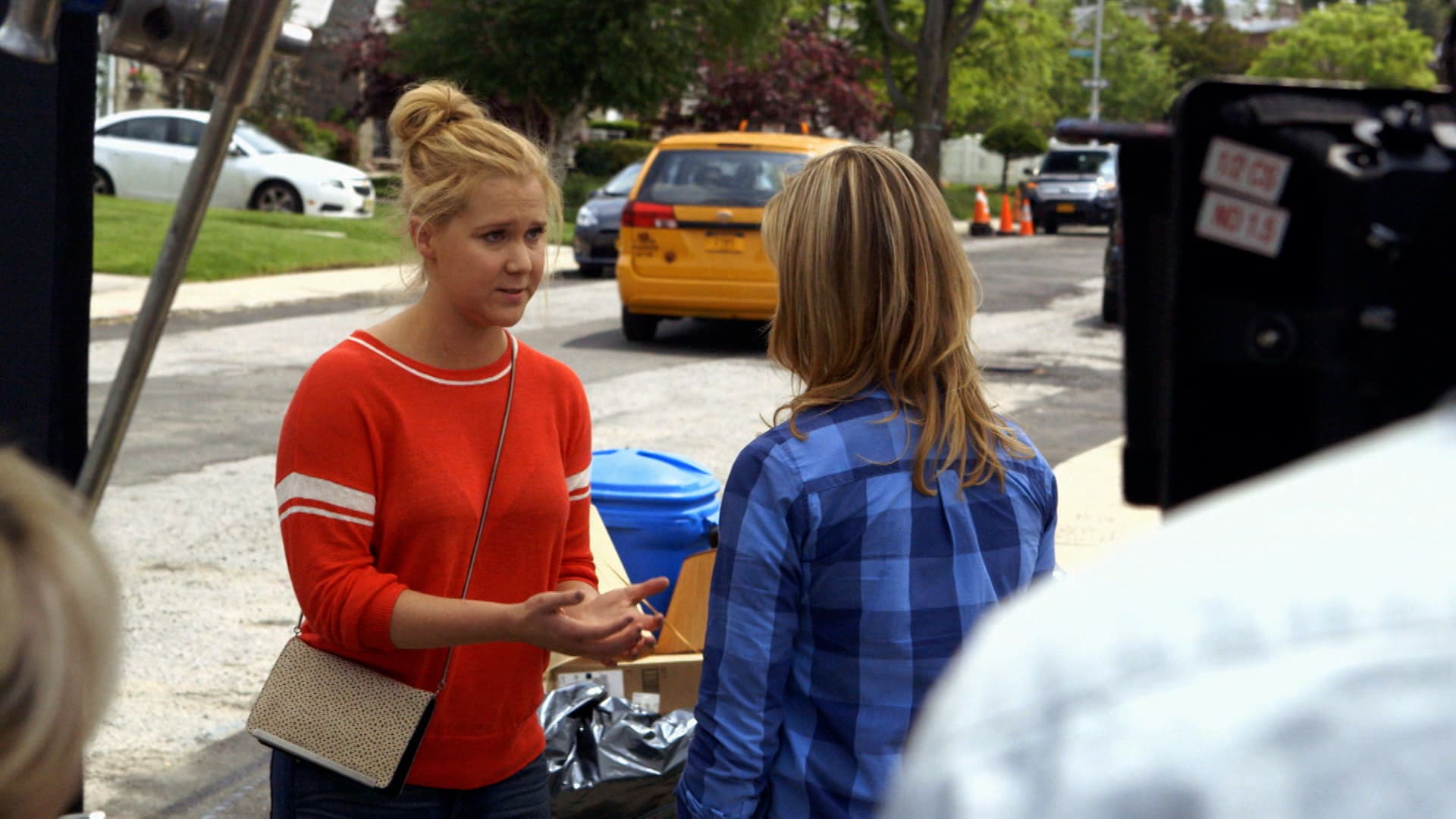
Trainwreck offers a comedic example through the relationship between Amy, played by Amy Schumer, and Aaron, played by Bill Hader. Amy has built her life around avoiding conventional commitment, while Aaron is a successful sports doctor who approaches relationships differently. Their contrasting personalities create much of the film’s humor, but the relationship also forces Amy to examine the habits and beliefs shaping her life. What initially looks like a familiar mismatched romance gradually becomes a story about vulnerability and whether someone can change without losing their identity.
Christopher Nolan’s Interstellar takes the idea somewhere completely different. At its emotional center is the bond between former pilot Cooper and his daughter Murph. Cooper leaves Earth on a mission that could help humanity survive, but the effects of space travel and time dilation create an enormous separation between father and daughter. Their relationship gives the film’s huge scientific concepts a personal foundation. Skyscraper similarly uses an extreme situation to emphasize family bonds, with Dwayne Johnson’s Will Sawyer risking his life as he attempts to rescue his family from a burning high rise.
Other movies use unexpected friendships to examine social differences. Green Book follows pianist Don Shirley and driver Tony Vallelonga during a concert tour through the American South in the 1960s. Their contrasting backgrounds and personalities create tension as the journey unfolds, while their growing connection becomes the film’s central focus. The story uses their relationship to address racism and prejudice, although the movie’s portrayal of real events has also generated debate over how that history was presented.
The Other Woman finds connection through an entirely different setup. Characters played by Cameron Diaz, Leslie Mann, and Kate Upton discover that the same man has deceived them, turning potential rivals into unexpected allies. Their shared experience gradually creates friendship and solidarity. Together, these films show why unusual relationships remain such a dependable storytelling device. Whether characters are separated by personality, distance, social background, or extraordinary circumstances, their differences create opportunities for change. Cinema can use those connections to remind audiences that meaningful relationships rarely follow a single formula, and sometimes the most unexpected bonds reveal the most about the people involved.
