
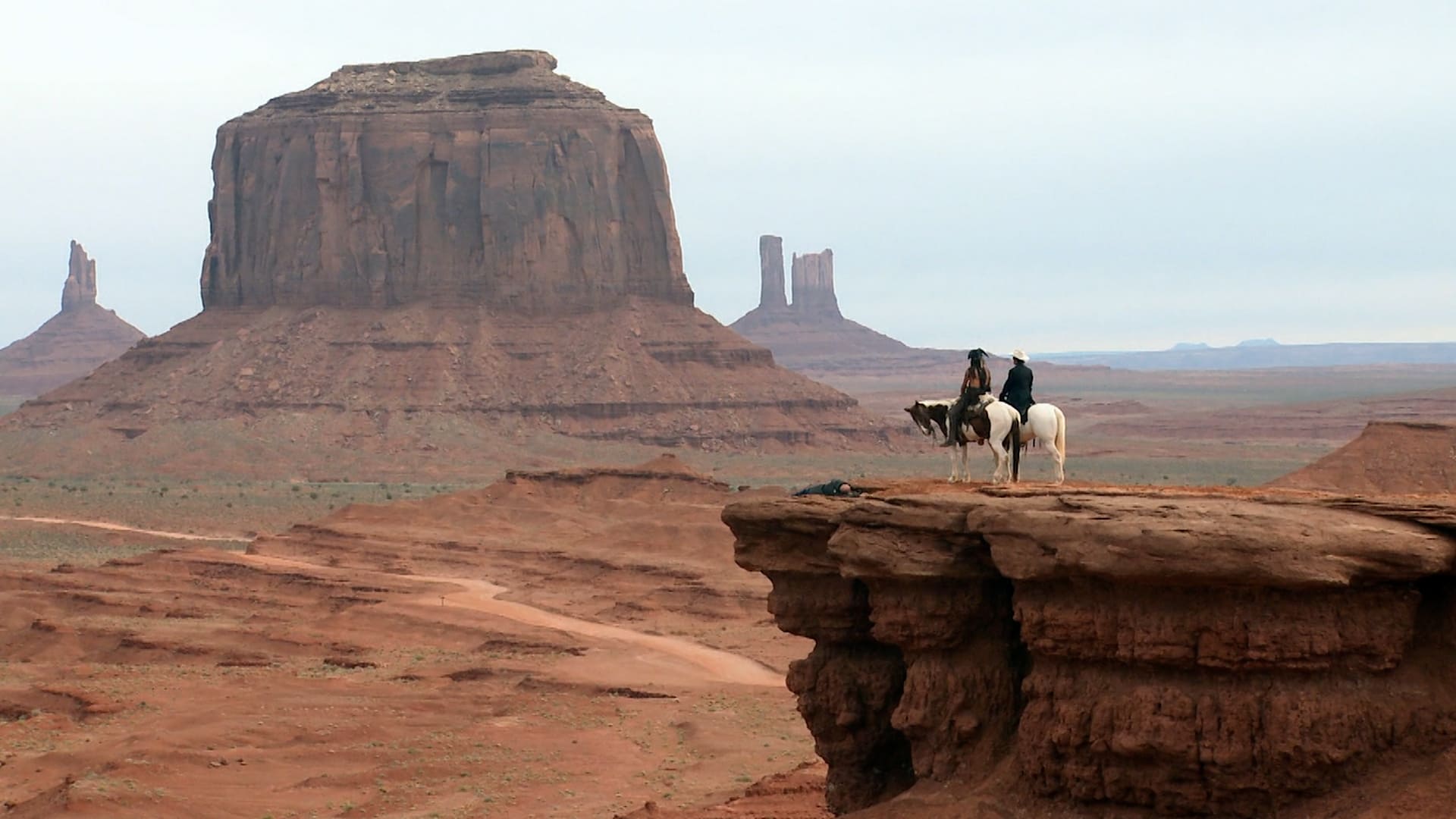
The Western may be one of cinema’s oldest genres, but it refuses to ride quietly into the sunset. Cowboys, isolated landscapes, tense confrontations, and frontier justice continue to influence filmmakers decades after the genre’s golden age. Modern Westerns, however, are doing more than simply recreating familiar imagery. They are using old conventions to explore contemporary questions about identity, race, gender, power, colonialism, and cultural conflict. That flexibility helps explain why the Western remains relevant even as filmmakers radically reshape what a Western can look like.
Quentin Tarantino has been one of the most prominent directors to revisit the genre. Django Unchained draws from Western traditions while placing slavery and revenge at the center of its story. The Hateful Eight takes another approach, trapping a collection of suspicious characters together as tensions steadily rise. Both films borrow recognizable ingredients from classic Westerns, including isolated settings, dangerous strangers, gunslingers, and dramatic confrontations. Tarantino combines those influences with his own dialogue driven storytelling and heightened style, creating films that acknowledge the genre’s past without simply copying it.
Joel and Ethan Coen took a different route with True Grit. Their 2010 adaptation returned to Charles Portis’s novel, which had previously inspired the famous 1969 film starring John Wayne as Rooster Cogburn. Jeff Bridges stepped into the role for the Coens, bringing his own rough and weary personality to the character. Rather than treating the earlier movie as something untouchable, the filmmakers created a darker and often more eccentric interpretation. The result demonstrated how familiar Western material could be revisited while still feeling distinctive.
The genre’s influence has even traveled beyond traditional American frontier settings. The Mandalorian may belong to the Star Wars universe, but many of its storytelling foundations come directly from Westerns. Its central figure is a mysterious bounty hunter traveling through dangerous territories, frequently entering isolated settlements and confronting local threats. Desert landscapes, outlaw encounters, mercenaries, and lone hero imagery strengthen the connection. Science fiction technology replaces horses and traditional weapons, but the underlying storytelling language remains remarkably familiar.
That ability to evolve is one reason the Western continues to survive. Contemporary filmmakers can celebrate its visual traditions while questioning the history and ideas that shaped earlier examples. Others can transport its basic structure into entirely different genres and settings. From Tarantino’s violent historical stories to the Coens’ character driven frontier drama and the space Western qualities of The Mandalorian, the genre continues to provide filmmakers with a flexible foundation. The frontier may look different today, but the Western remains a powerful place for cinema to examine conflict, identity, justice, and the complicated relationship between the past and the present.
