
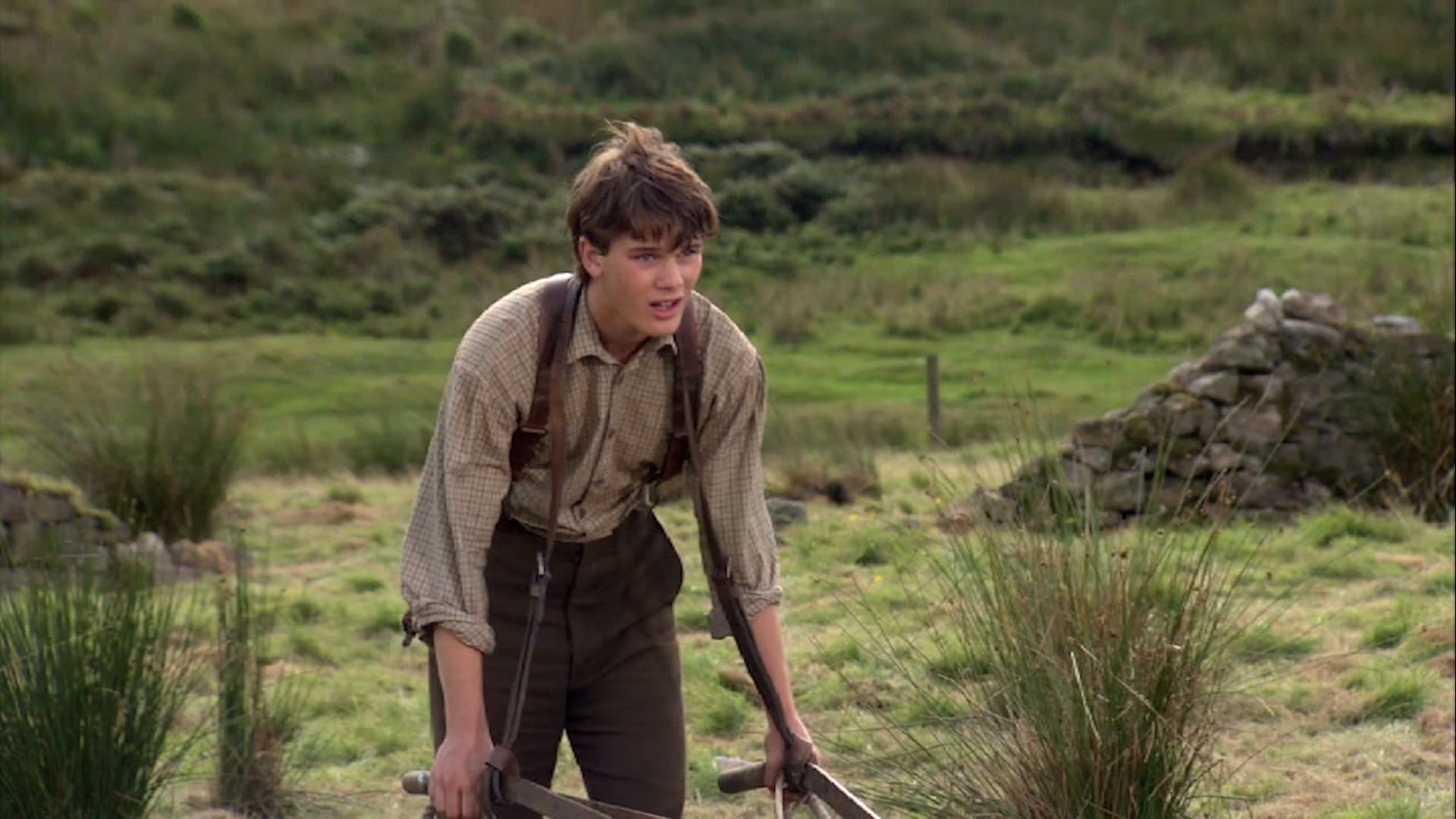
When War Horse arrived in cinemas in 2011, it brought audiences an emotional story of friendship, separation and survival during World War I. Directed by Steven Spielberg, the film follows young Albert Narracott and Joey, the beloved horse who is sold to the cavalry and taken into the conflict. Albert’s determination to reunite with Joey eventually takes him from rural England toward the front lines. Among the film’s memorable details are beautiful drawings of Joey that become important to the story. Those images were created by real artist Ali Bannister, whose work helped give the film an additional sense of authenticity.
Based on Michael Morpurgo’s 1982 novel, War Horse follows Joey as he encounters soldiers and civilians on different sides of the conflict. When artwork of the horse was needed for Spielberg’s adaptation, Bannister’s drawings were selected for the production. She recalled being amazed that her work had been chosen, especially after seeing the quality of other artists considered for the project. Having her drawings appear in a Spielberg film made the experience particularly meaningful.
Producing those images, however, was far from glamorous. Bannister spent months around the real horses used during filming so she could observe them closely and capture their appearance and personality. That meant dealing with muddy conditions, constantly changing hotel rooms and the challenge of staying clean and dry during production. Living out of a suitcase was difficult, but spending so much time with the horses allowed her to understand details that would have been difficult to capture through photographs alone.
Bannister’s familiarity with horses also shaped the way she interacted with them. She realized that she regularly spoke to horses while grooming or working around them, something that had become so natural she barely noticed it. Although animals may not understand individual words, she explained that the sound and tone of a person’s voice can help soothe them, relax them or communicate instructions. That connection gave her a deeper understanding of the animals she was drawing.
Bannister’s contribution demonstrates how much unseen craftsmanship can sit behind a few moments on screen. War Horse may be remembered for Spielberg’s sweeping wartime sequences and the emotional journey of Joey and Albert, but smaller creative details helped make that story believable. Bannister’s drawings were grounded in months of observation and genuine familiarity with horses. Her experience shows that authentic filmmaking often depends on artists willing to go far beyond the studio to understand their subjects.
