
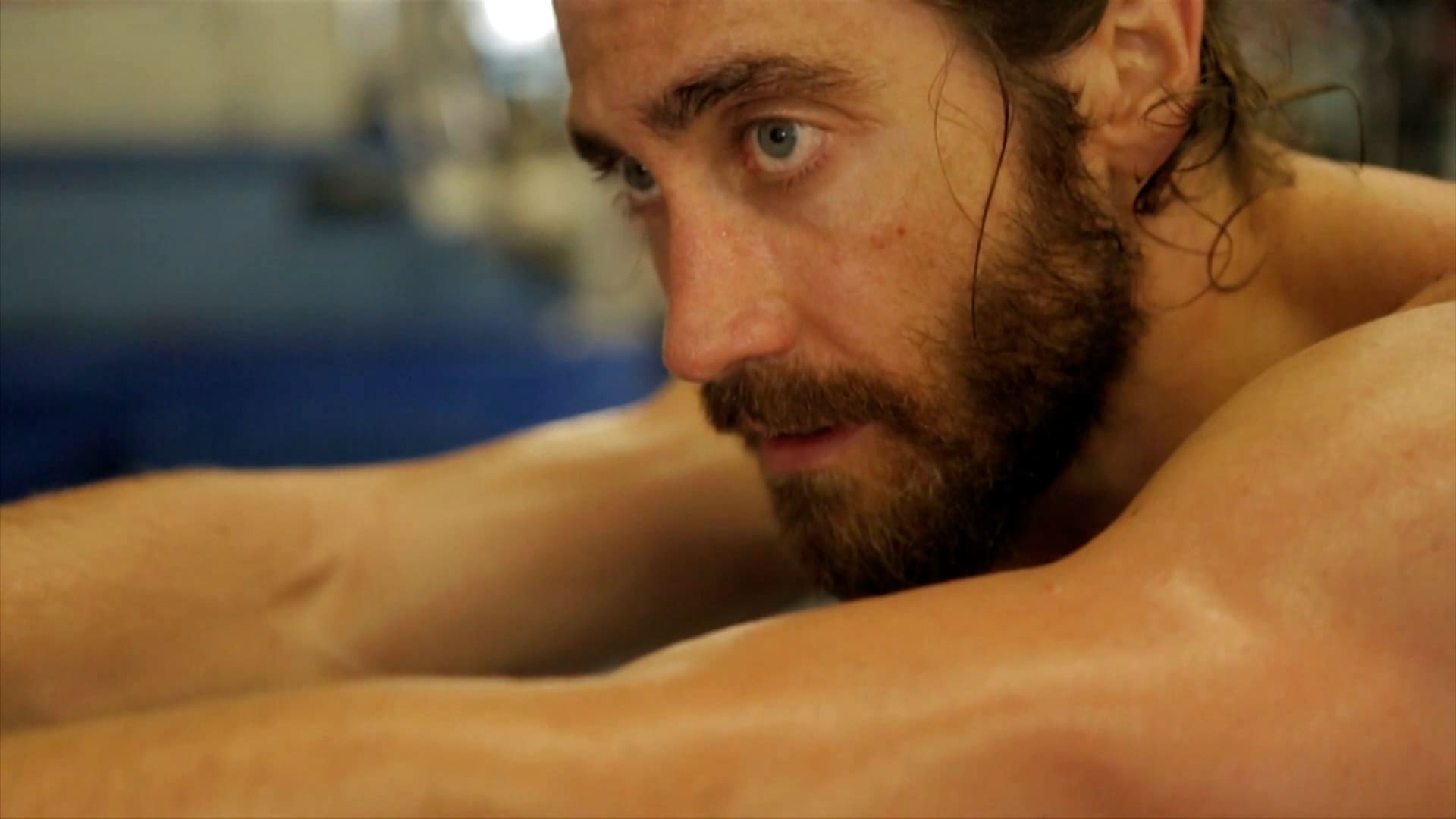
Actors and actresses sometimes have to go far beyond learning lines and understanding their characters when preparing for demanding roles. Looking the part can require months of intense training and even a complete physical transformation. One of the clearest examples is Jake Gyllenhaal, who underwent a remarkable preparation process to portray a professional boxer in Southpaw. His transformation wasn’t simply about looking muscular on camera. He needed the conditioning, speed and physical presence to make his character feel like a genuine fighter.
Gyllenhaal’s training routine was extremely demanding. According to his trainer, he worked out for around six hours a day over six months and could run as much as eight miles in a single day. His workouts included hundreds of push-ups, pull-ups and tricep dips, along with as many as 1,000 sit-ups. He also spent extensive time on boxing-specific exercises, including footwork, bag work and other drills designed to make his movements look authentic. Plyometrics, calisthenics and bodyweight exercises were also important parts of the routine, helping him develop explosive power while building a lean, defined physique.
However, achieving a movie-star transformation isn’t simply about pushing the body as hard as possible. Training places stress on muscles, and the body needs adequate time to recover and rebuild afterward. That’s why sleep, nutrition and rest are just as important as the workout itself. When someone repeatedly trains without allowing enough recovery, the body may struggle to repair itself properly, potentially increasing fatigue, inflammation and the risk of injury. Gyllenhaal’s extreme schedule was designed for a specific professional goal and was supported by experienced trainers, rather than being a routine that the average person could safely copy.
The results, however, were impossible to ignore. Gyllenhaal developed the muscular, athletic appearance of a boxer while also gaining the physical conditioning needed for the fight scenes. His preparation helped him move with greater confidence and intensity, making the character’s physical abilities feel much more convincing. Instead of simply appearing to be an actor pretending to box, he looked and moved like someone who had spent years inside a boxing gym. That level of preparation added another layer of realism to the performance and demonstrated just how much work can happen behind the scenes before filming even begins.
All that blood, sweat and tears, although mostly sweat, ultimately paid off. Southpaw gave Gyllenhaal an opportunity to combine his acting ability with an extraordinary physical transformation, and the result became one of the most memorable examples of his dedication to a role. His experience also highlights an important lesson about physical transformation: impressive results aren’t created overnight. They require consistency, structured training, proper nutrition and recovery. For Gyllenhaal, six months of relentless preparation helped turn him into a convincing professional boxer and showed just how far an actor can go when a role demands complete commitment.
