
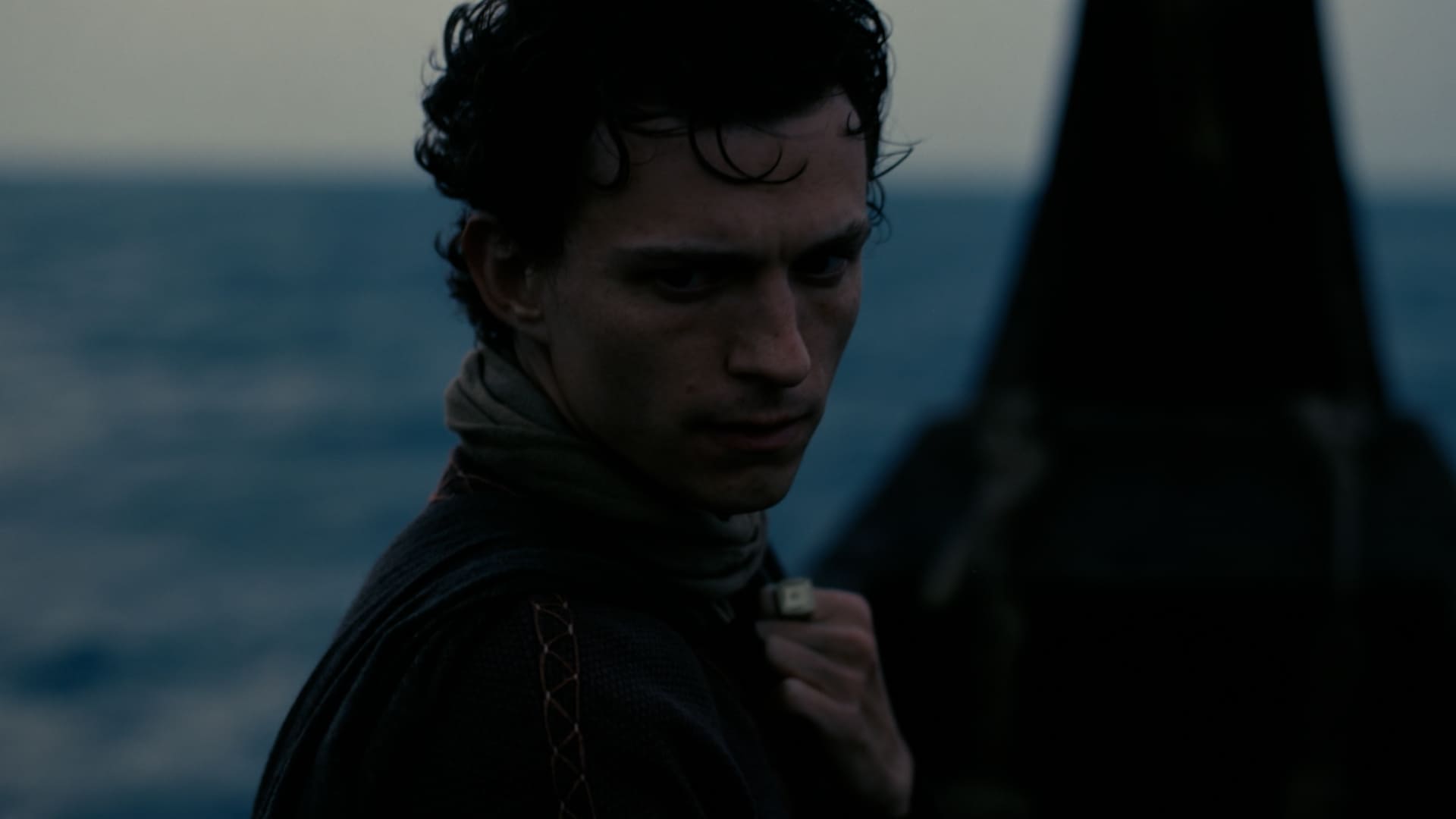
Christopher Nolan has built a reputation for turning ambitious ideas into spectacular cinematic experiences. His films combine enormous practical effects, complex themes, and carefully chosen casts, and The Odyssey appears to continue that tradition. Rather than relying heavily on digital shortcuts, the production embraces large-scale, old-fashioned filmmaking designed to make audiences wonder how each sequence was achieved.
The film’s epic battles, ships, and vast crowds were created with real performers and physical elements whenever possible. If a scene shows a thousand people fighting, the production reportedly placed a thousand people on location. If ships appear across the water, actual vessels were coordinated for the shot. Capturing that scale in the IMAX format required thousands of cast and crew members working together with remarkable precision. The approach recalls the filmmaking methods of classic historical epics, when productions created spectacle directly in front of the camera.
That commitment to practical filmmaking gives the movie a sense of authenticity that computer-generated images cannot always reproduce. Instead of assuming that everything was created digitally or corrected later, viewers are invited to experience the same curiosity that inspired many filmmakers in the first place. The spectacle becomes something like a magic trick, with audiences recognizing that the impossible image was physically planned and executed rather than simply produced inside a computer.
However, the film’s appeal extends beyond its technical achievement. Homer’s ancient story has been retold for centuries because its central ideas remain deeply relatable. Odysseus is not simply an adventurous warrior. He is a man trying to return to his family after years of conflict. Themes of home, belonging, loyalty, vengeance, and family give the enormous production an intimate emotional center.
The story also examines the psychological and social consequences of war. Conflict does not only damage individuals physically; it can slowly erode their humanity and weaken the values holding society together. One important idea explored in the film is the ancient principle often described as Zeus’s law of hospitality. It teaches people to treat visitors with kindness and respect because a stranger could be a god in disguise. In modern terms, it reflects the familiar principle of treating others as one would wish to be treated.
By combining mythology, practical spectacle, and universal human concerns, The Odyssey aims to feel ancient and contemporary at the same time. Its world may contain legendary heroes and gods, but its emotional questions remain familiar: What does war take from a person, what does home truly mean, and how far will someone travel to return to the people they love?
