
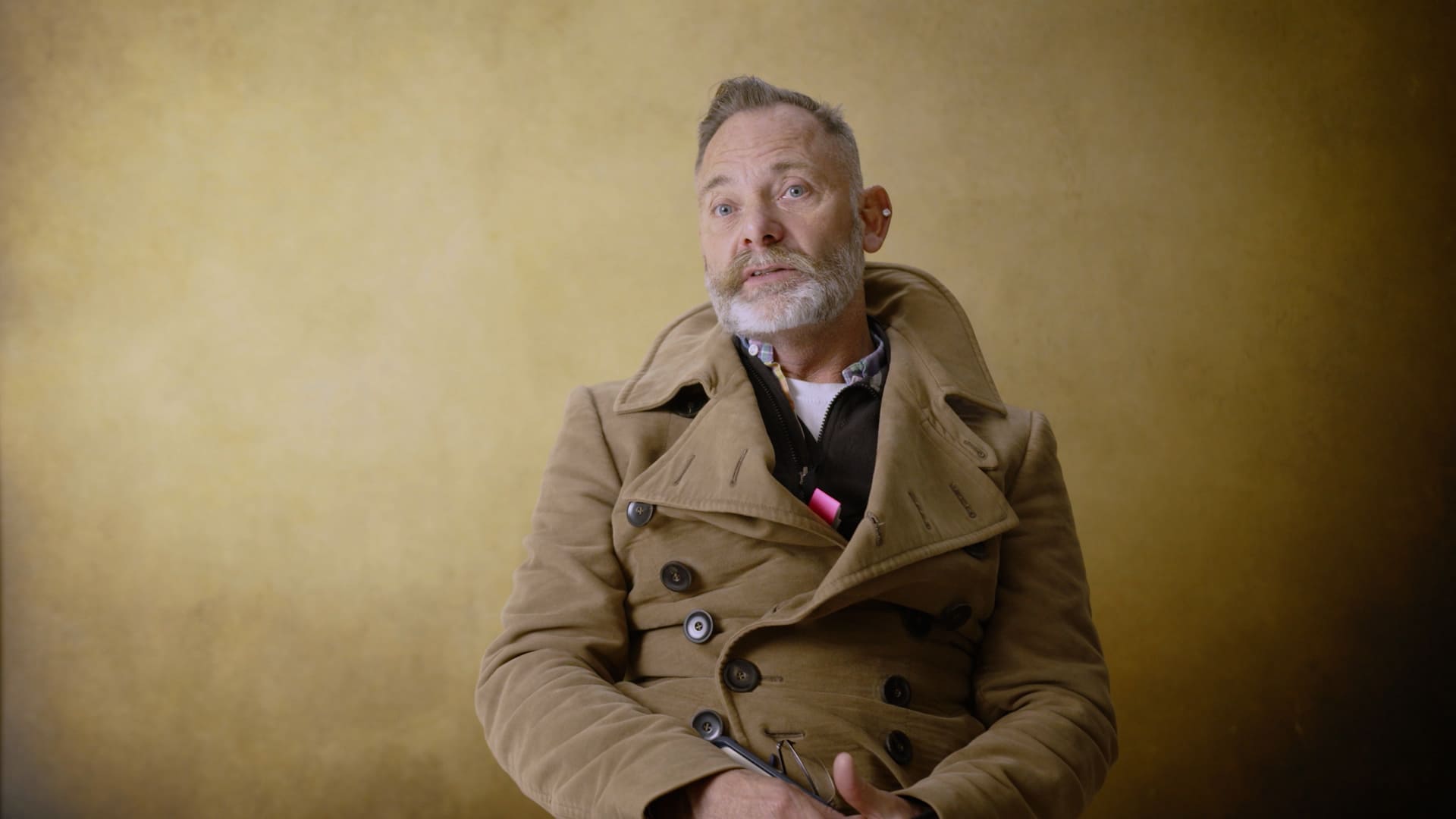
Behind every memorable film is a production designer whose work helps transform a screenplay into a believable world. From designing sets and selecting locations to sourcing props and vehicles, production designers shape the visual identity of a movie and ensure every detail supports the story. Their role becomes even more demanding on war films, where authenticity is essential. Martyn John, a longtime collaborator of director Guy Ritchie, faced exactly that challenge while working on The Covenant, a military drama that required recreating the rugged landscapes and atmosphere of Afghanistan far from its real location.
Having previously collaborated with Guy Ritchie on several projects, Martyn John was brought aboard early in the production process. The film was developed under a tight schedule, requiring the creative team to identify a location capable of standing in for Afghanistan while accommodating the complex demands of a large-scale production. After evaluating several countries, including the United Kingdom, Turkey, and Spain, the filmmakers ultimately selected Spain. Its varied terrain offered the closest visual match, but transforming familiar European landscapes into convincing Afghan environments required extensive planning and creative problem-solving.
One of the production’s greatest challenges involved the enormous logistical operation behind the film’s military equipment. Since The Covenant relies heavily on military vehicles, the team had to source, transport, and modify dozens of authentic American vehicles suitable for the story. Many were duplicated because action scenes required vehicles to be damaged or destroyed during filming. Every explosion, convoy, and battlefield sequence demanded careful coordination between the production design, special effects, and stunt departments to maintain realism while ensuring safety. These practical considerations directly influenced many of the film’s visual decisions.
Equally important was disguising Spain’s recognizable landscapes so audiences would believe they were watching events unfold in Afghanistan. Production designers carefully selected locations, adjusted architectural details, modified roadways, and dressed every set with region-specific props and materials to remove visual clues that revealed the true filming location. The result demonstrates how production design extends far beyond building sets, becoming an essential storytelling tool that immerses audiences in another place and time. The Covenant showcases how creativity, technical expertise, and meticulous planning allow filmmakers to recreate complex environments, proving that some of cinema’s most convincing worlds are built through careful design rather than computer-generated imagery.
