
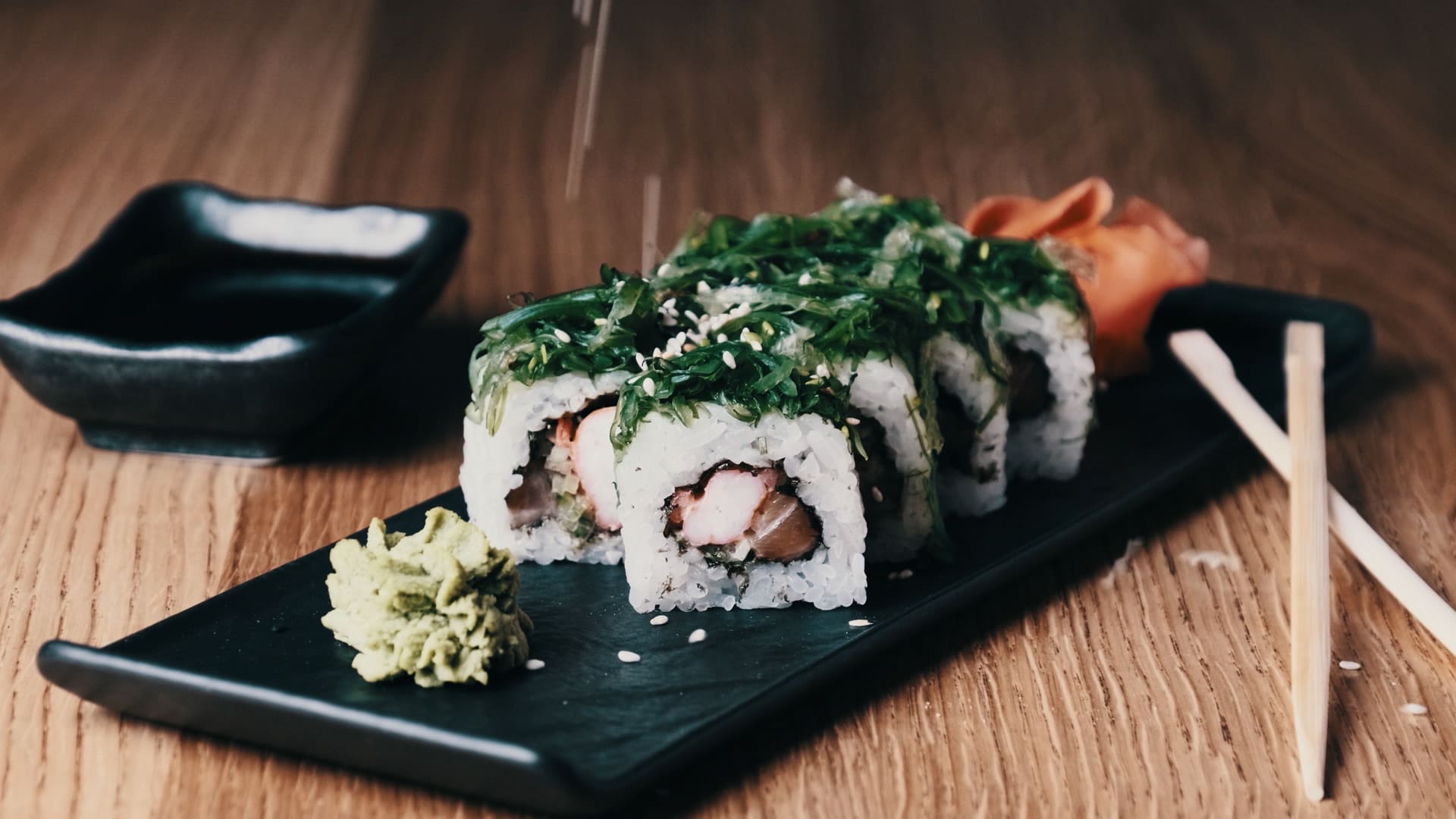
A beautifully presented meal does more than catch the eye, it can actually shape the way people experience food before taking the first bite. Color plays a surprisingly important role in influencing appetite, expectations, and even perceived flavor. Researchers in food psychology have found that the brain quickly forms opinions based on visual cues, making color one of the first factors that affects how enjoyable a meal seems. Whether dining at home or in a restaurant, the colors on the plate can subtly influence both mood and eating behavior.
Different colors trigger different psychological responses. Shades of red are often associated with excitement and stimulation, which may increase heart rate and encourage a stronger appetite. Green is commonly linked with freshness, health, and natural ingredients, making it especially appealing for salads, vegetables, and nutritious meals. Blue, on the other hand, is one of the least common colors found in natural foods, which may explain why it tends to suppress appetite for some people. This is one reason many food brands avoid blue packaging when promoting products designed to tempt consumers.
Color psychology extends beyond the food itself and into marketing and presentation. Bright colors such as orange and yellow are frequently used by restaurants and food companies because they attract attention and create feelings of warmth, happiness, and energy. Other colors, including purple and black, are less common in edible foods and can sometimes create hesitation. Interestingly, while black-colored food may not always appear inviting, serving meals on black plates can increase visual contrast, making colorful ingredients stand out and appear more vibrant. Brown presents a unique balance, often reminding people of comforting baked goods while also carrying associations with overcooked or spoiled food in certain situations.
These subtle color cues influence more than purchasing decisions, they also shape dining experiences and restaurant design. Interior colors, table settings, and plate selection are often chosen carefully to create a desired atmosphere and encourage certain behaviors. A thoughtfully presented meal can make guests feel more relaxed, excited, or even hungrier without them realizing why. The next time you prepare a meal for family or friends, experimenting with different color combinations may reveal just how powerful visual presentation can be in transforming an ordinary dish into a memorable dining experience.
