
Post-apocalyptic stories have captivated audiences for decades because they challenge one fundamental question: how would humanity survive if modern society suddenly disappeared? Whether the cause is a pandemic, climate disaster, or another global catastrophe, these fictional worlds force people to imagine life without supermarkets, electricity, or reliable food supplies. While films and television often focus on dramatic survival scenarios, one of the greatest real-world challenges would simply be finding enough safe, nutritious food. Developing basic foraging skills and understanding the natural environment could become just as important as building shelters or finding clean water.
Many edible plants that grow in forests, fields, and even urban areas could provide valuable nutrition during an emergency. Pine needles, for example, can be brewed into a tea that contains vitamin C, while herbs such as rosemary offer both flavor and edible flowers. Leafy greens like kale and dandelion have long been valued for their nutritional benefits and can grow in a variety of climates with relatively little care. Learning to correctly identify these plants before an emergency occurs is essential, as many edible species have toxic lookalikes that can be dangerous if consumed. Reliable field guides and proper training are therefore just as important as survival equipment.
Some wild foods require additional preparation before they can be safely eaten. Stinging nettles are highly nutritious and contain vitamins, minerals, and fiber, but their tiny stinging hairs must be neutralized through cooking or drying before consumption. Mushrooms present an even greater challenge because many poisonous varieties closely resemble edible ones. Survival experts consistently warn that foraging without accurate identification can be life-threatening. For this reason, anyone interested in wilderness survival should study edible plants and fungi well before relying on them in an emergency rather than attempting to learn through trial and error when resources are scarce.
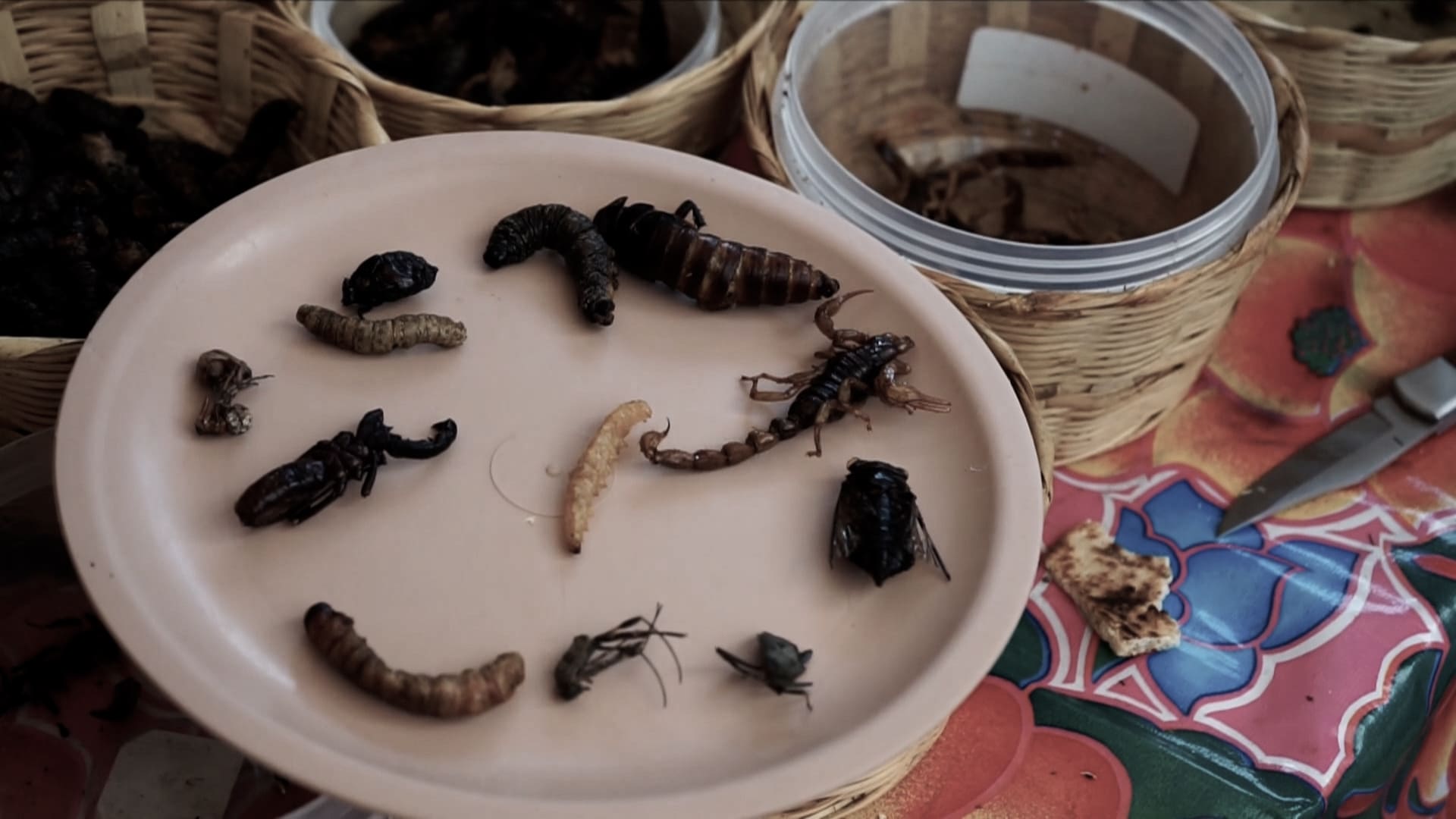
Protein would also become a critical concern if conventional food supplies disappeared. In many parts of the world, insects are already consumed as a sustainable source of protein and are recognized for their high nutritional value. Although the idea may seem unusual in some cultures, edible insects require far fewer resources to produce than traditional livestock and could provide an accessible food source during survival situations. Combined with edible plants, they could help create a more balanced emergency diet. While most people hope they never face such circumstances, learning basic foraging skills, keeping a trusted field guide, and understanding local ecosystems are practical forms of preparedness that can increase both confidence and resilience in uncertain times.
