
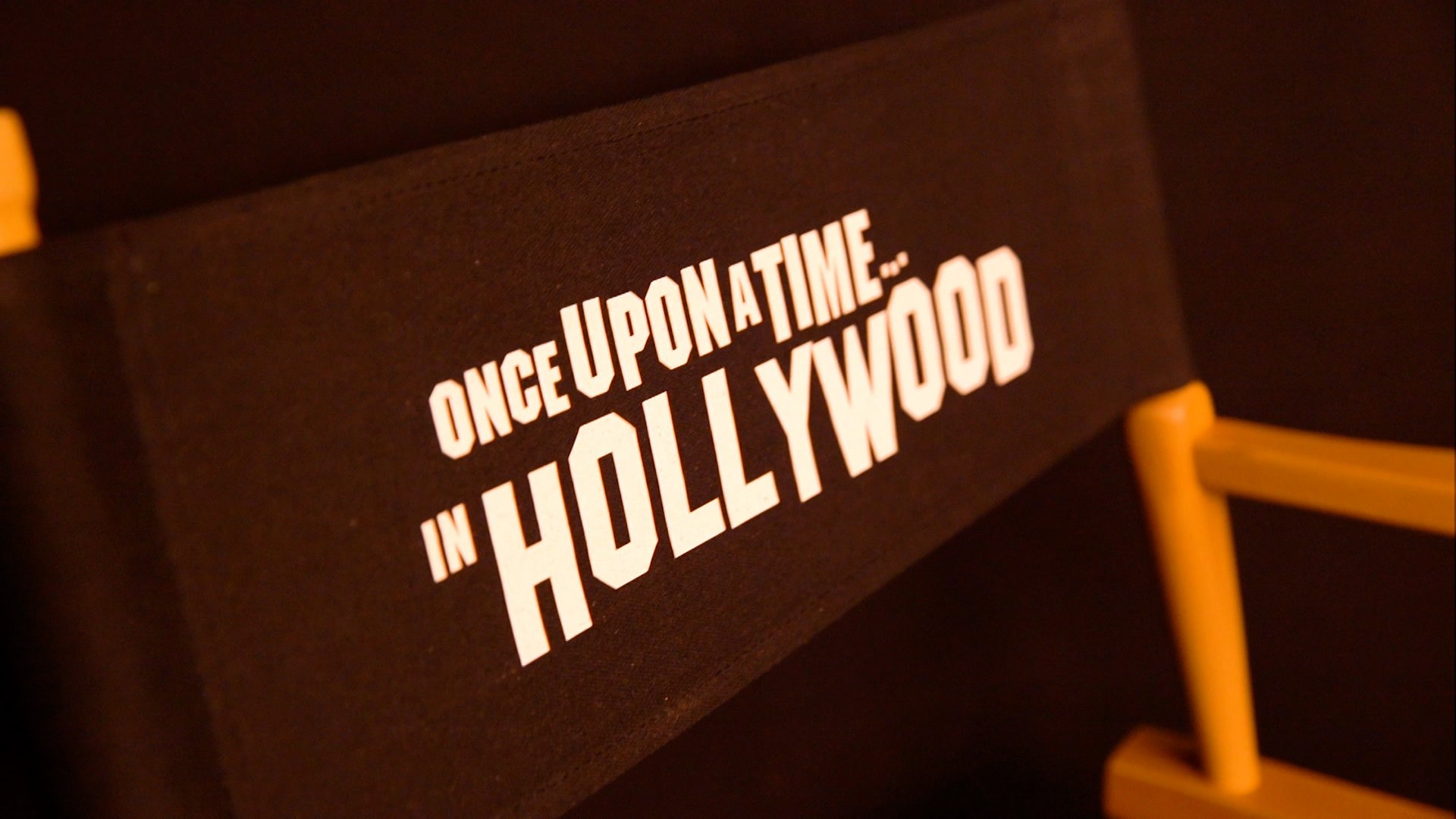
Once Upon a Time… In Hollywood, released in 2019, is one of Quentin Tarantino’s most emotionally grounded and visually detailed films. While early buzz painted it as Tarantino’s take on the infamous Manson murders, the movie delivers something much deeper: a nostalgic love letter to the final days of 1960s Hollywood and a heartfelt story of male friendship.
Set in 1969 Los Angeles, the film follows Leonardo DiCaprio as Rick Dalton, a fading actor desperately clinging to relevance in a rapidly changing industry. His best friend and longtime stunt double, Cliff Booth (played by Brad Pitt), is always by his side, offering unwavering support both on and off set.
The movie overlaps with the Manson murders, including the death of actress Sharon Tate, portrayed by Margot Robbie, but Tarantino deliberately avoids turning the narrative into a true-crime retelling. In fact, he’s admitted to being hesitant about even writing dialogue for Charles Manson, fearing what it might invite into his creative space.
Producer David Heyman described the film as being less about murder and more about emotional truth: gratitude, acceptance, and the doors that open when one embraces change. It’s a film that explores the darker realities of Hollywood while still celebrating its golden-age charm.
At its core, Once Upon a Time… In Hollywood is about friendship. The chemistry between DiCaprio and Pitt is palpable and deeply human. Pitt himself has noted how the film reflects the way people help each other during life’s tougher moments. Their performances were widely praised. Both were nominated for Oscars, with Pitt winning Best Supporting Actor.
Producer Shannon McIntosh echoed the sentiment, calling their collaboration “a joy to watch,” noting how the actors truly became a family on set. The dynamic between Rick and Cliff is the beating heart of the movie, grounding the film’s broader themes of career anxiety, personal loyalty, and resilience.
The film had its world premiere at the Cannes Film Festival, exactly 25 years after Tarantino won the Palme d’Or for Pulp Fiction. With a two-month gap before the worldwide release, the director personally asked the Cannes audience not to spoil the plot, and they listened. The premiere ended with a seven-minute standing ovation, a testament to the film’s impact.
Brad Pitt later commented that this was Tarantino’s most heartfelt film yet, with elements from all his past movies blending into a cohesive and emotional narrative. That emotional tone was matched by remarkable attention to period detail.
The production design, which earned the film its second Academy Award, fully immersed audiences in 1969 Los Angeles. What’s even more impressive is that the transformation was achieved almost entirely without CGI. Hollywood Boulevard was carefully retrofitted to match the era, with neon signs, vintage storefronts, and era-accurate set pieces. Some local business owners loved the look so much they asked to keep the props after filming.
And for eagle-eyed viewers, there’s one final easter egg: Quentin Tarantino’s now-infamous fondness for featuring women’s bare feet on screen. As with many of his other films, there are several blink-and-you’ll-miss-it moments with barefoot actresses, adding a quirky signature to the director’s work.
In the end, Once Upon a Time… In Hollywood is more than a period piece or an alternate history. It’s a rich, textured film about an industry in transition, the friendships that anchor us, and the power of cinema to reshape memory all told through Tarantino’s unmistakable lens.
